
Sophie Williams is the driving force behind Raven Bakery, where she has built a loyal following for her breads and pastries made from local whole grains and ethically sourced ingredients. I did my best to stay out of the way in the busy kitchen as we discussed her journey to her current space, bakery bike trips, and the joy of rye bread.
Zach: Tell me who you are and what you do.
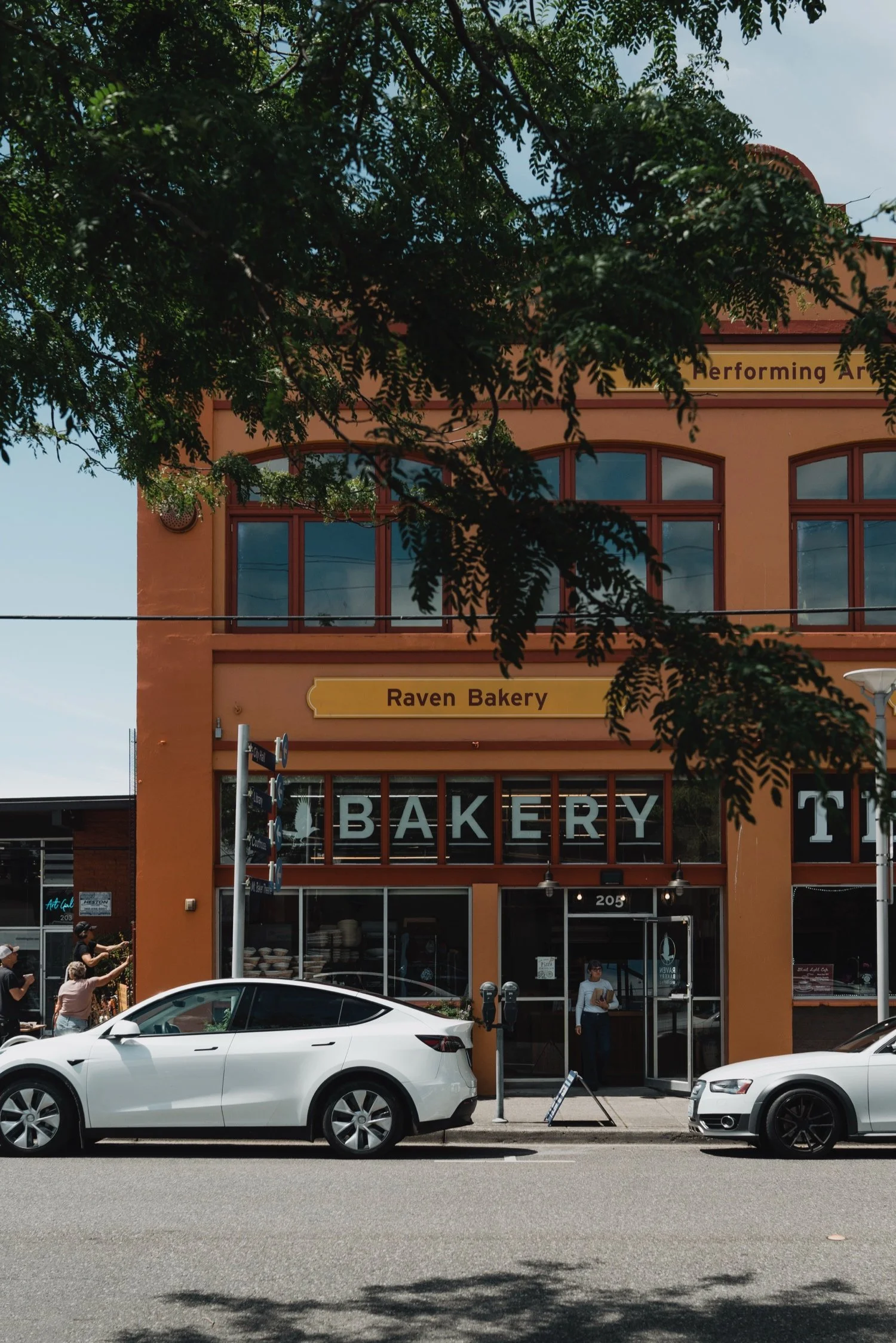
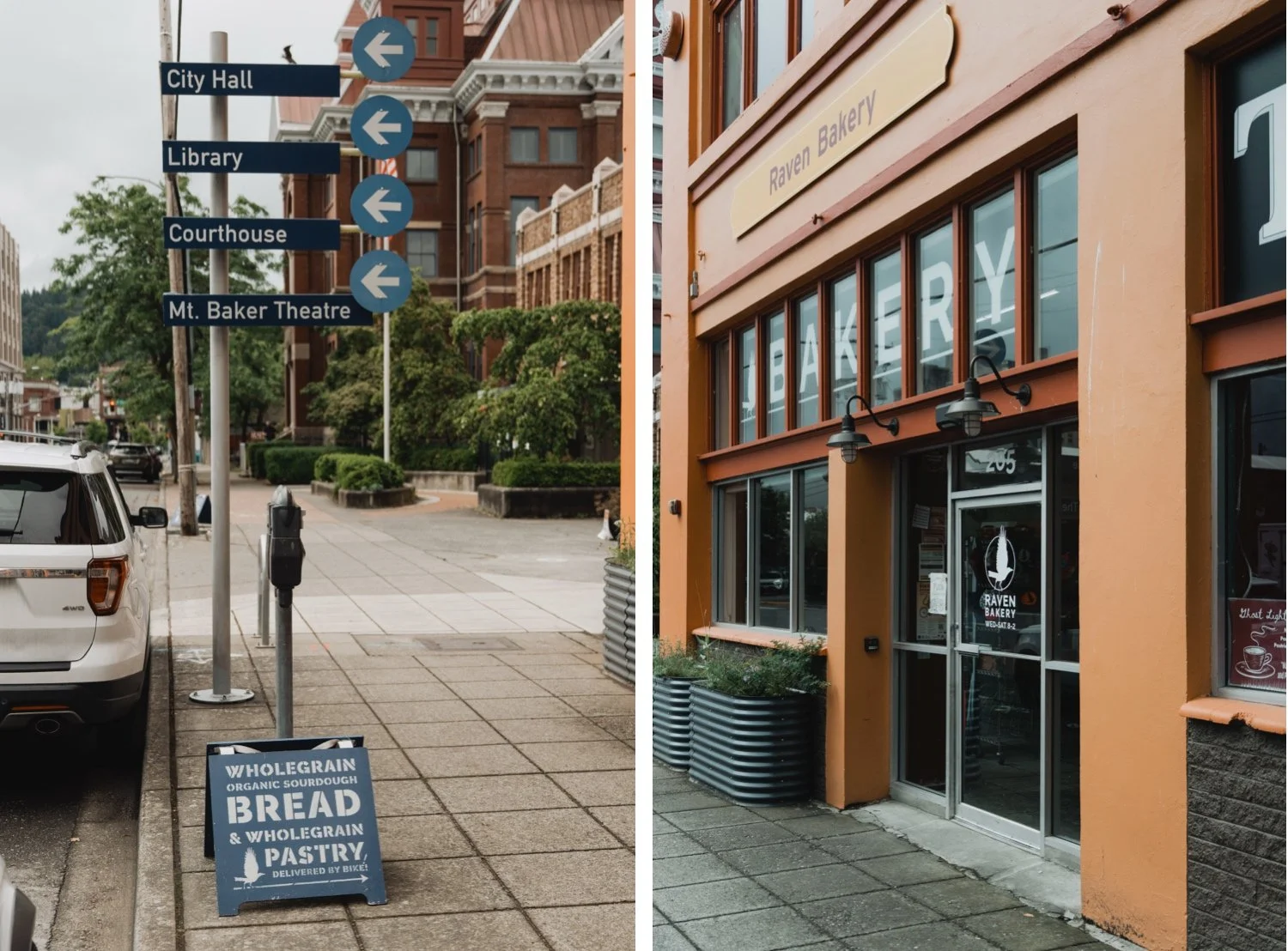
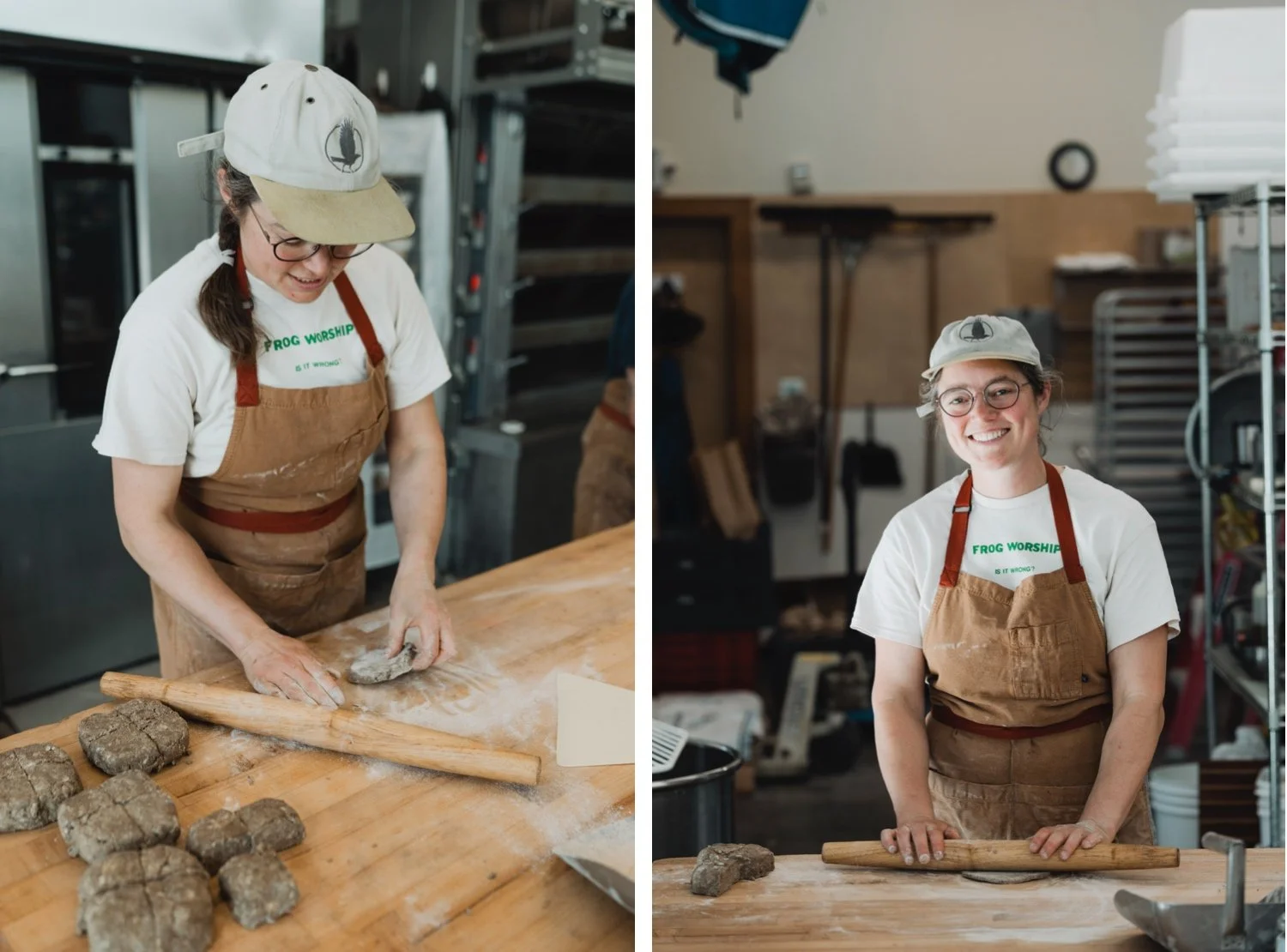
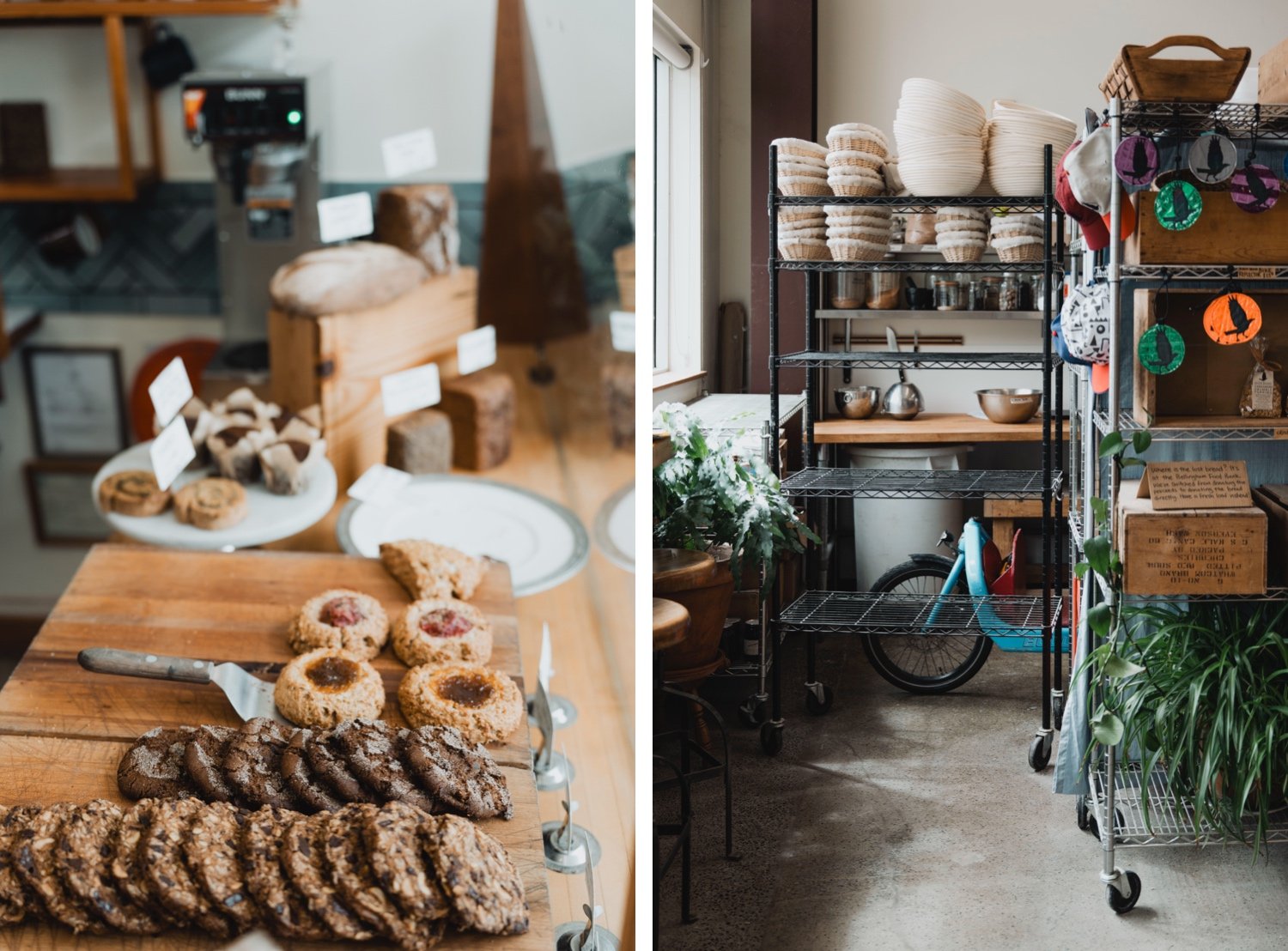
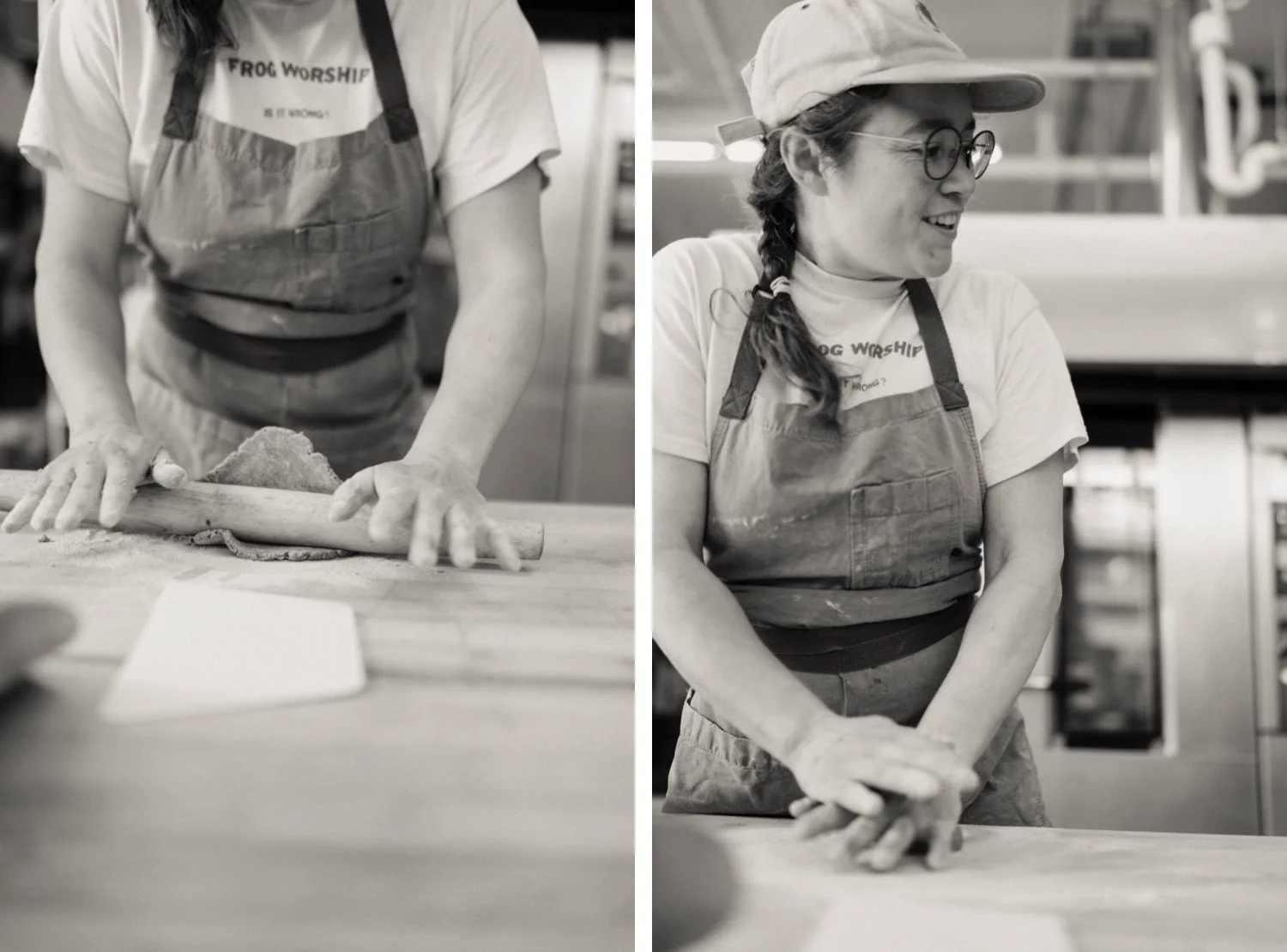
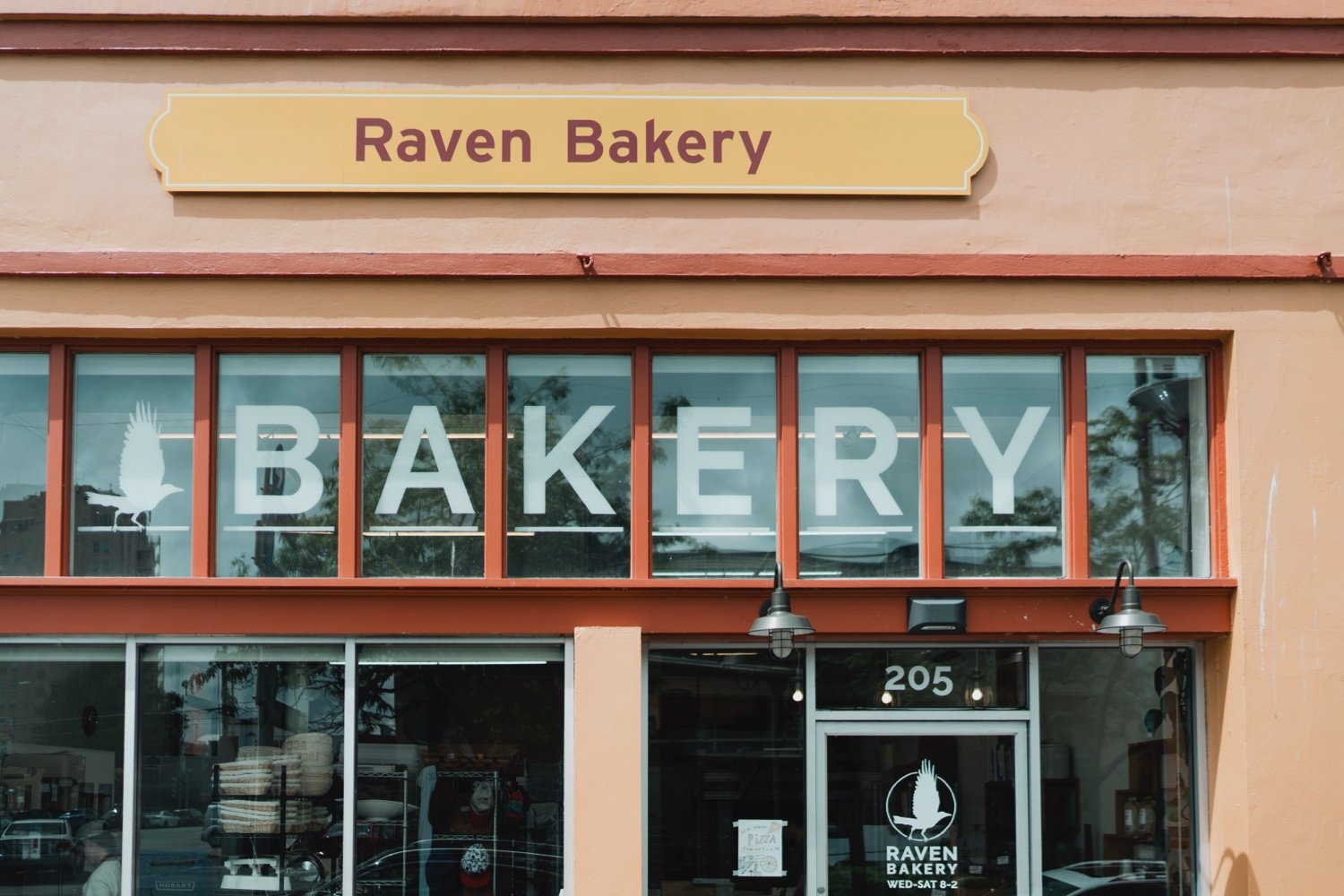
Sophie: My name is Sophie Williams, and I own Raven Bakery, which is a whole-grain sourdough bakery in downtown Bellingham. We make bread and pastries, some of which are seasonal and some of which are available year-round.
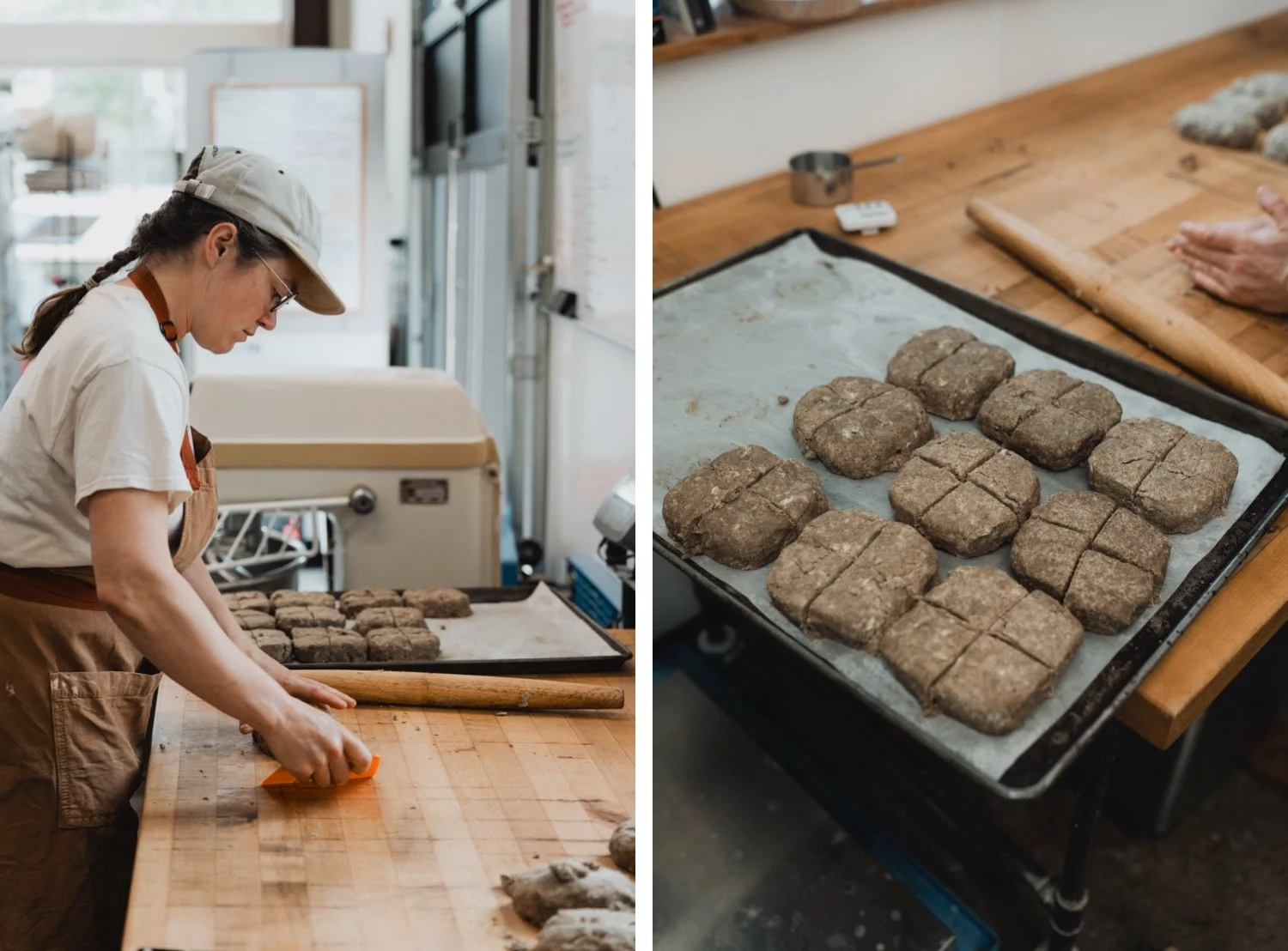
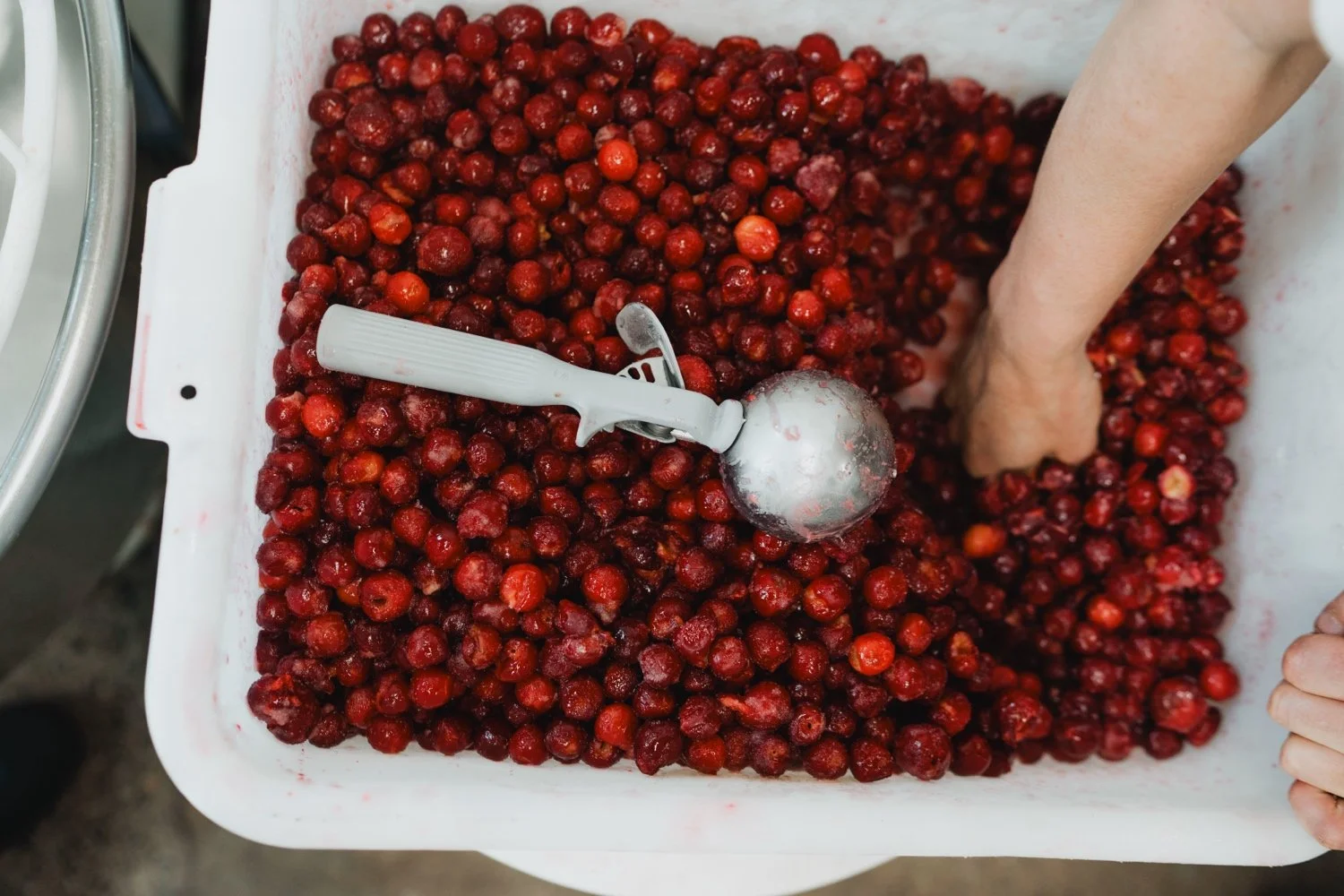
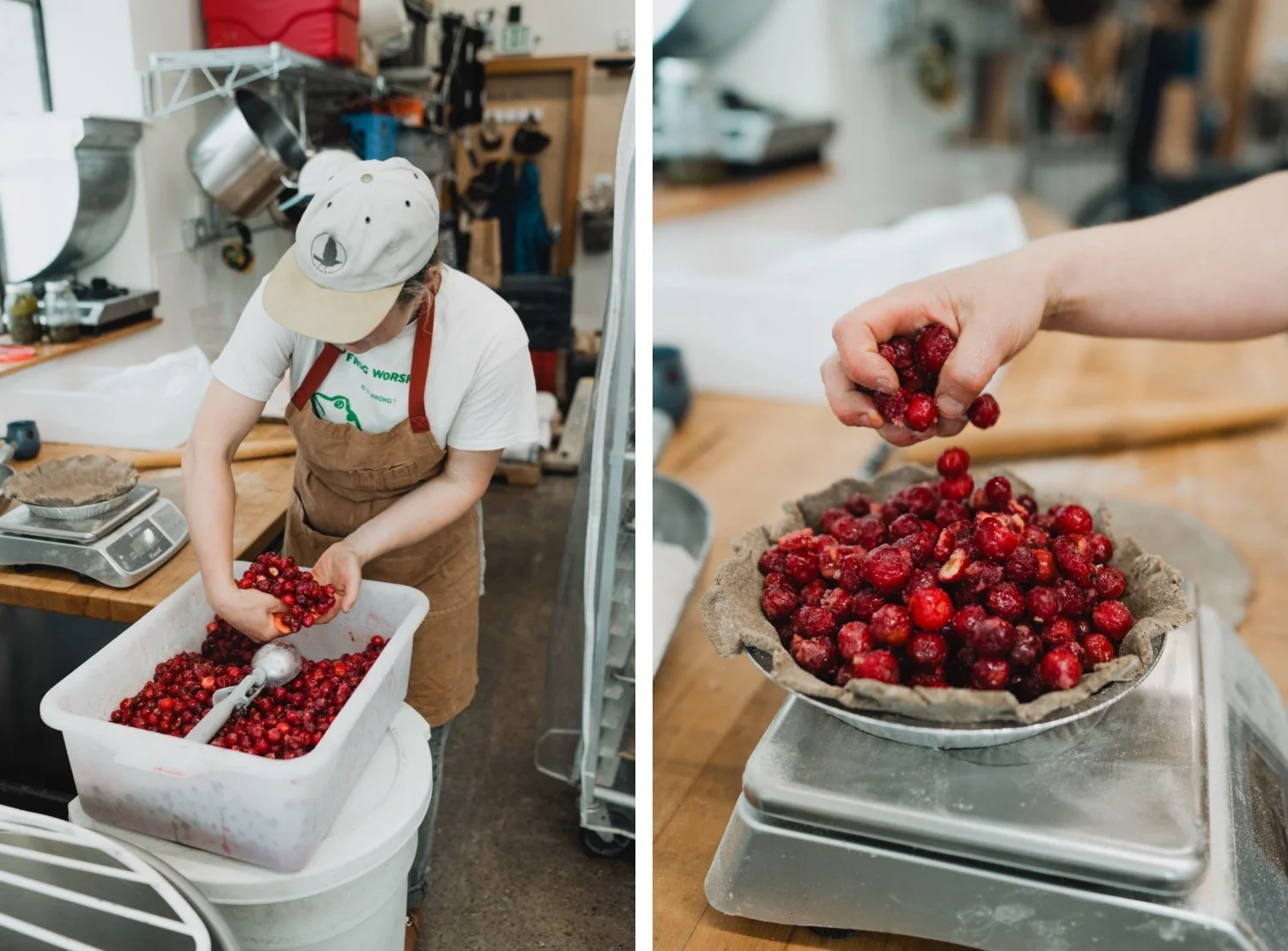
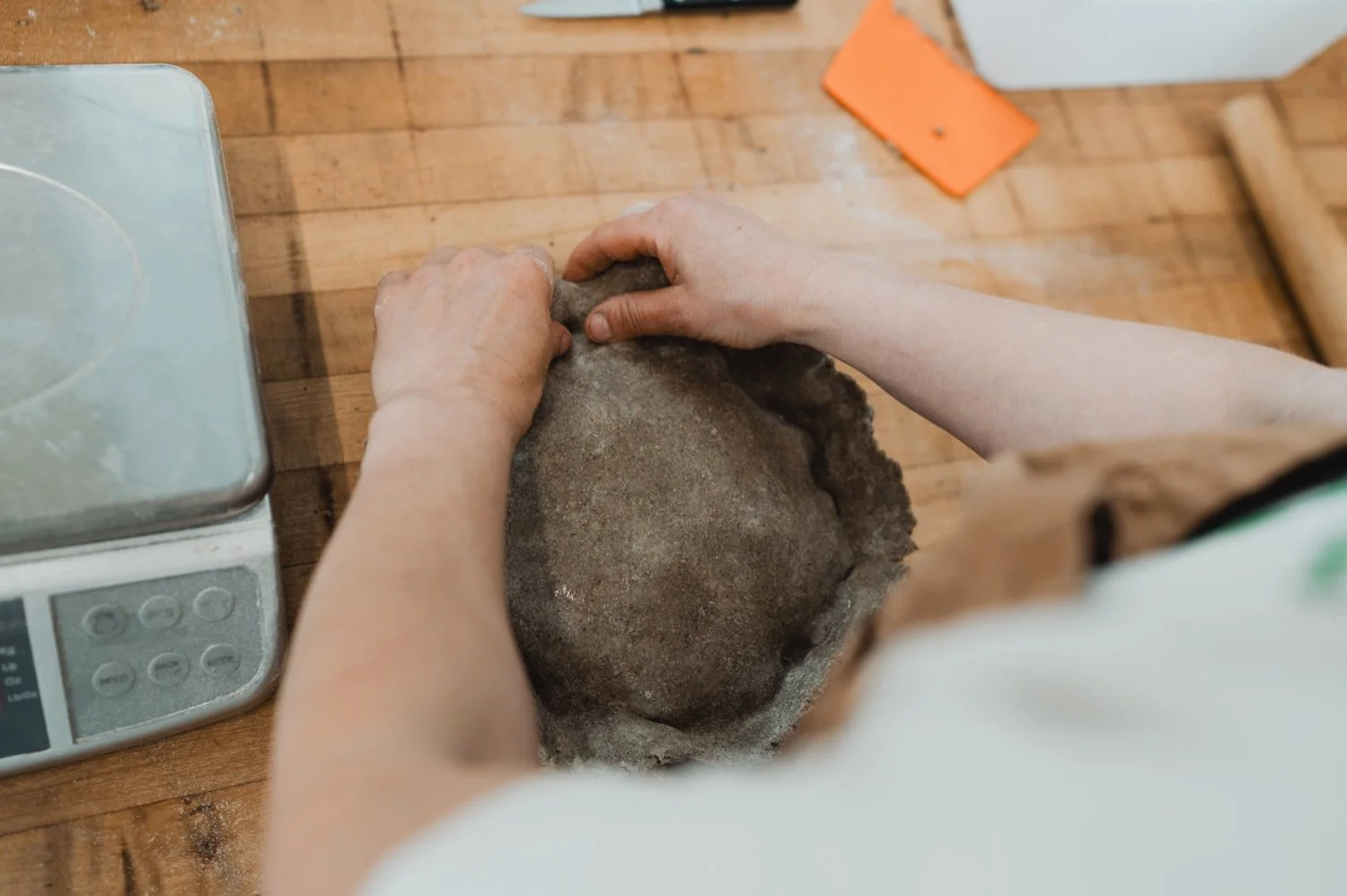
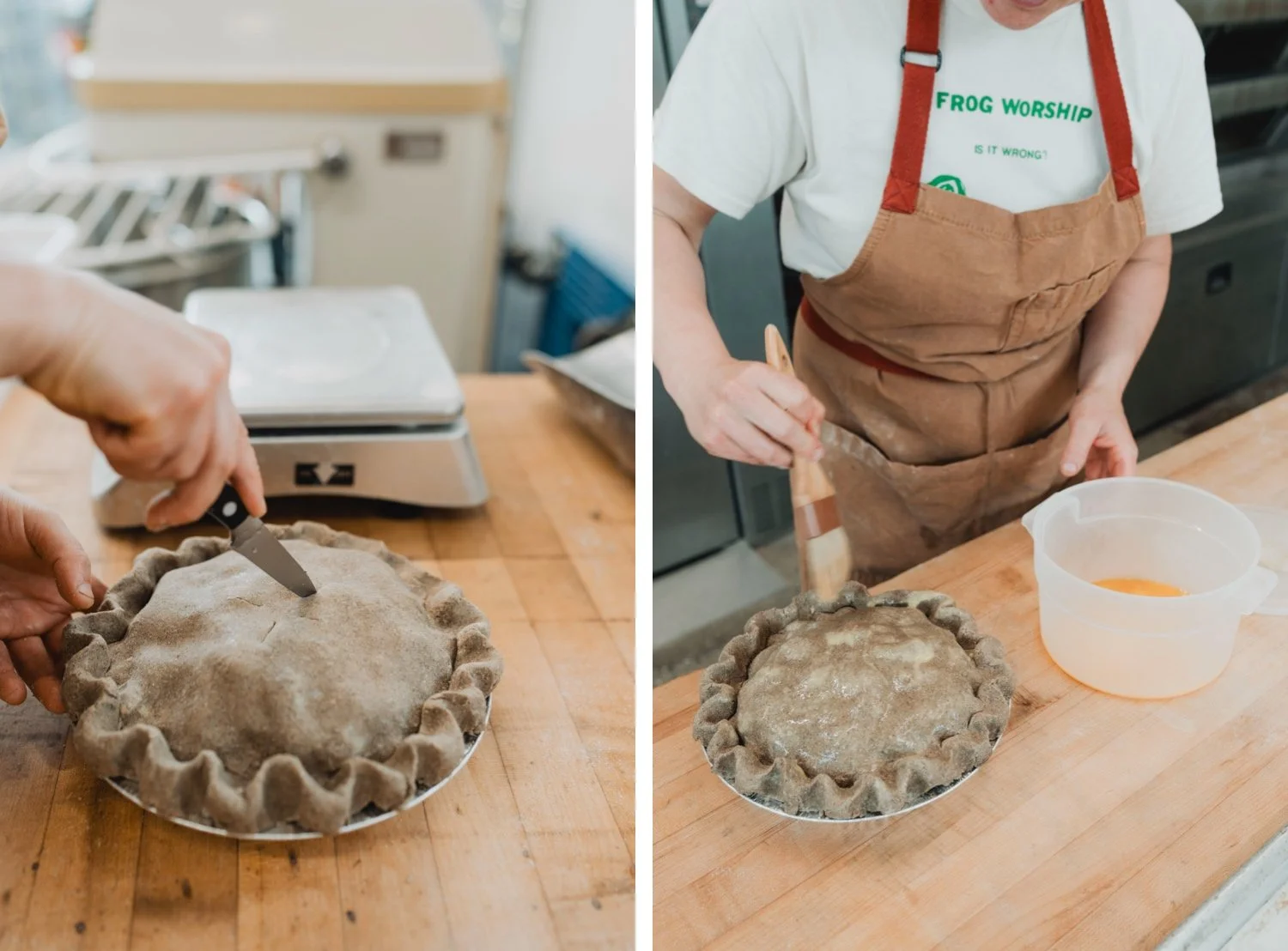
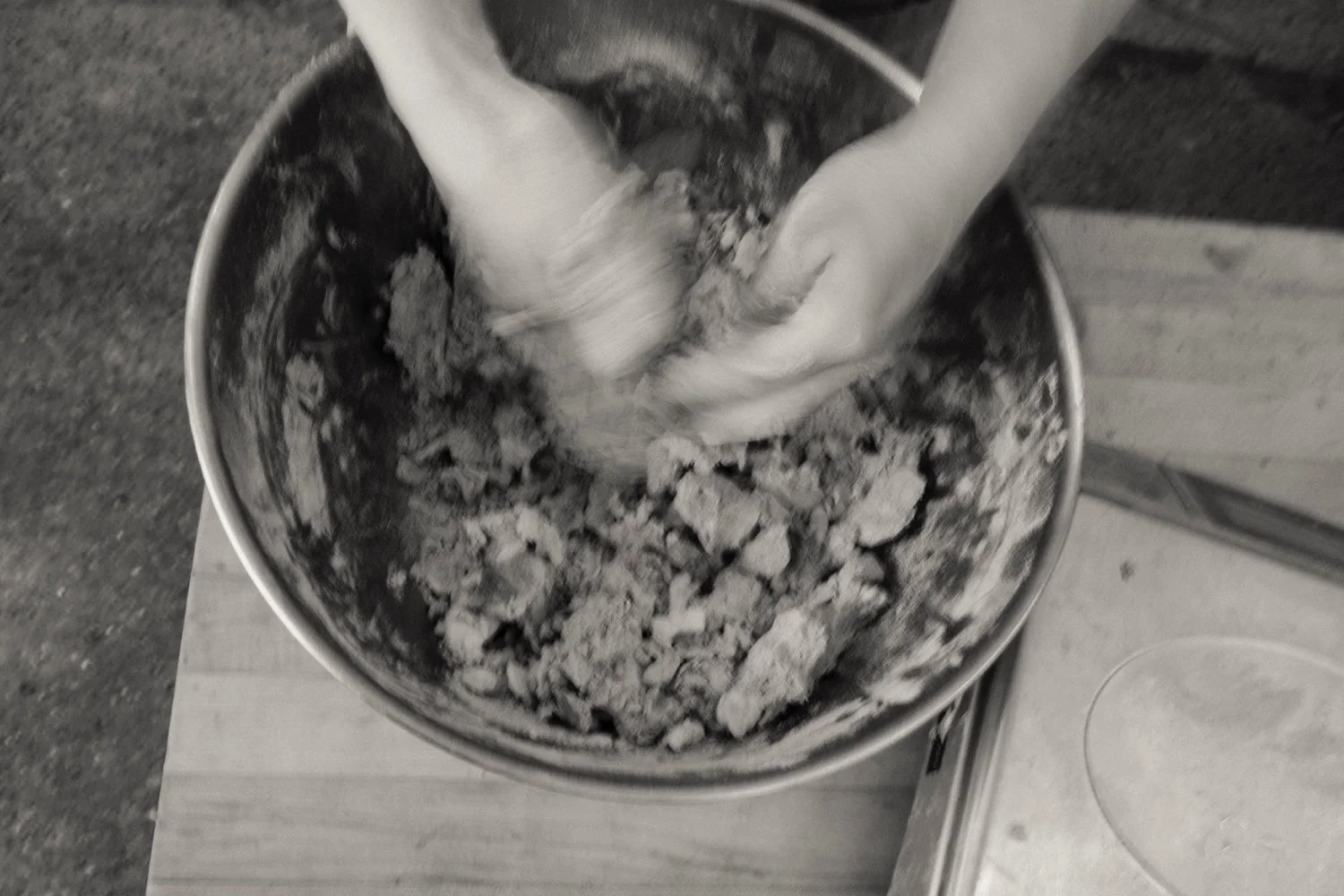
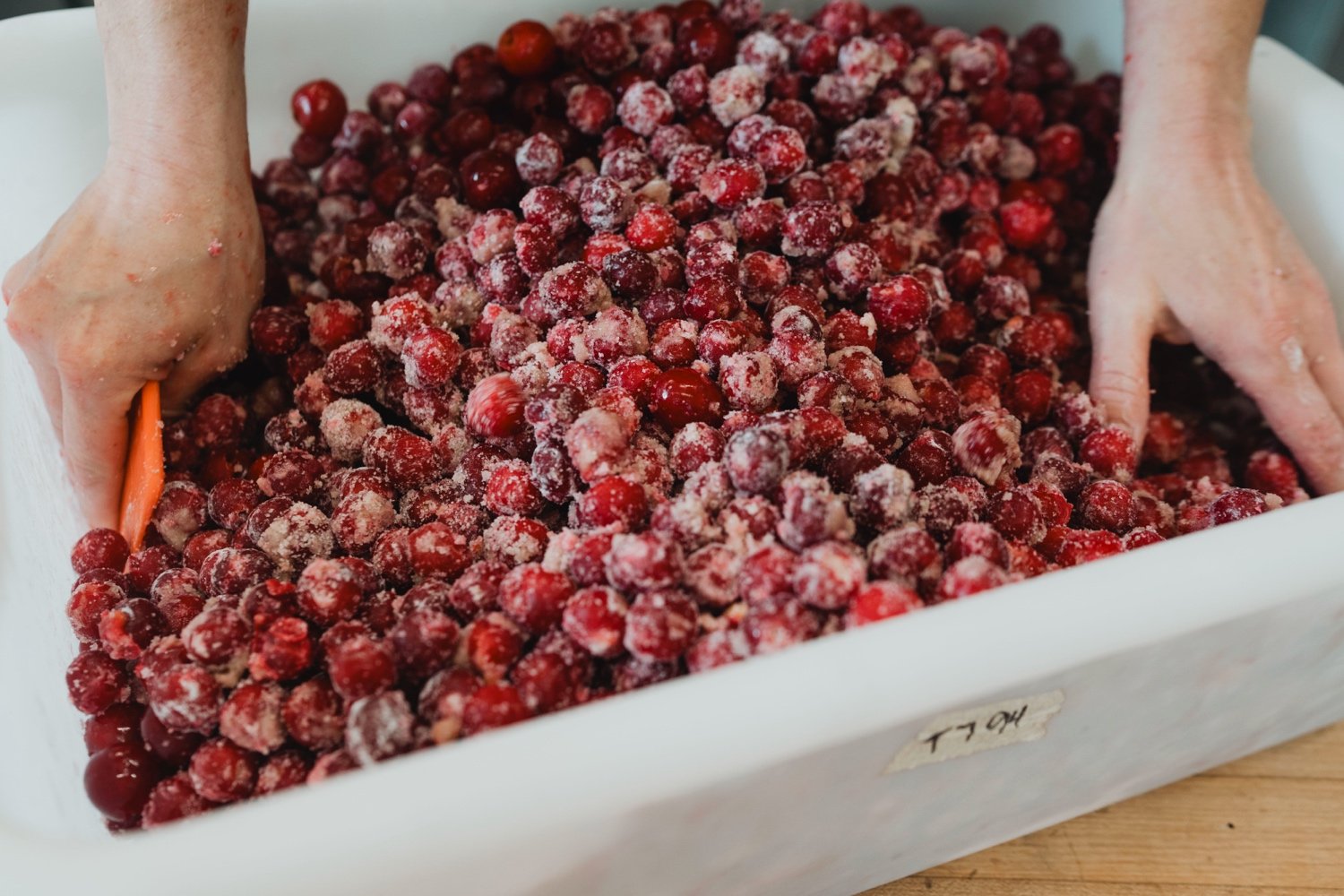
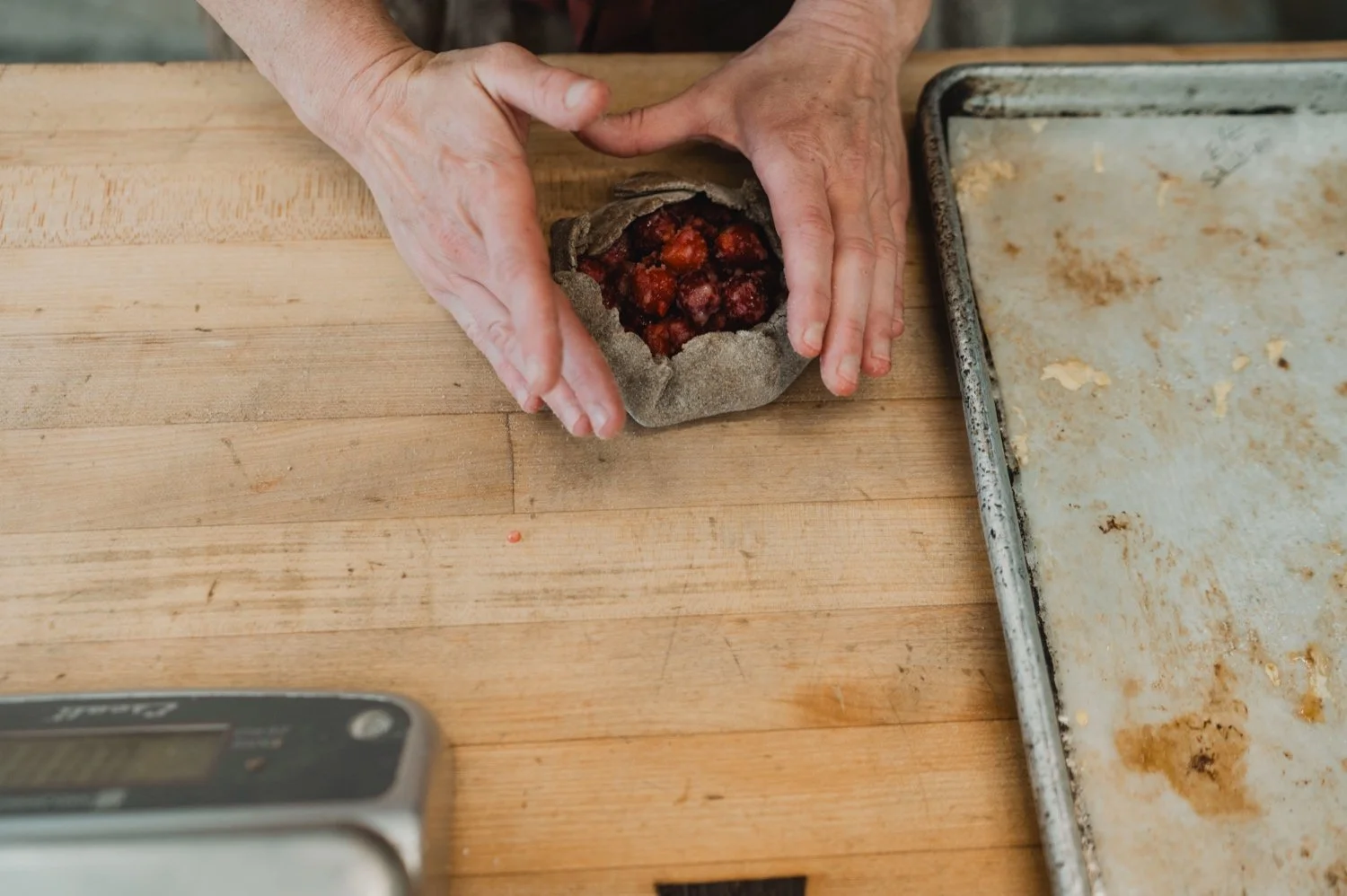
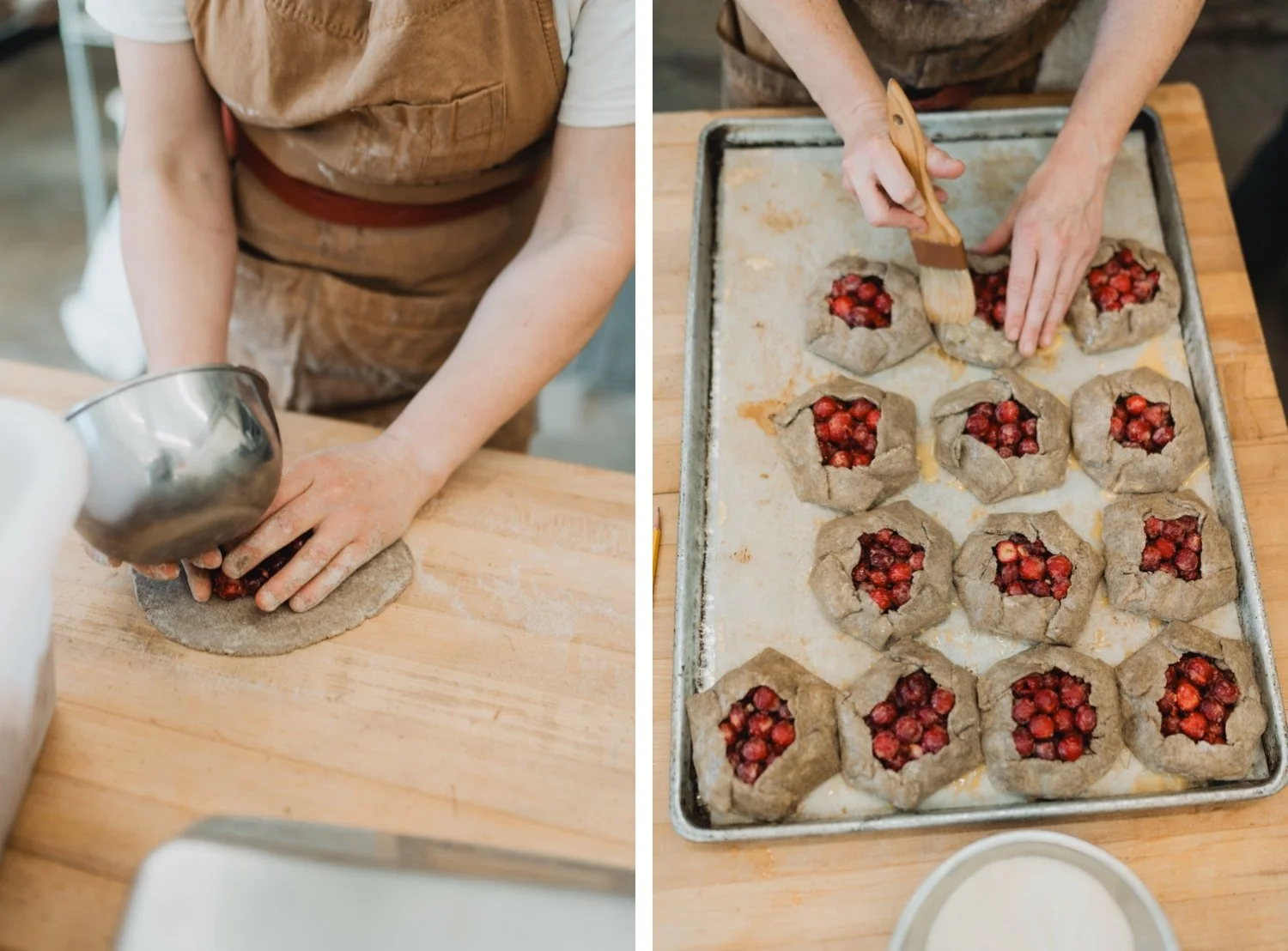
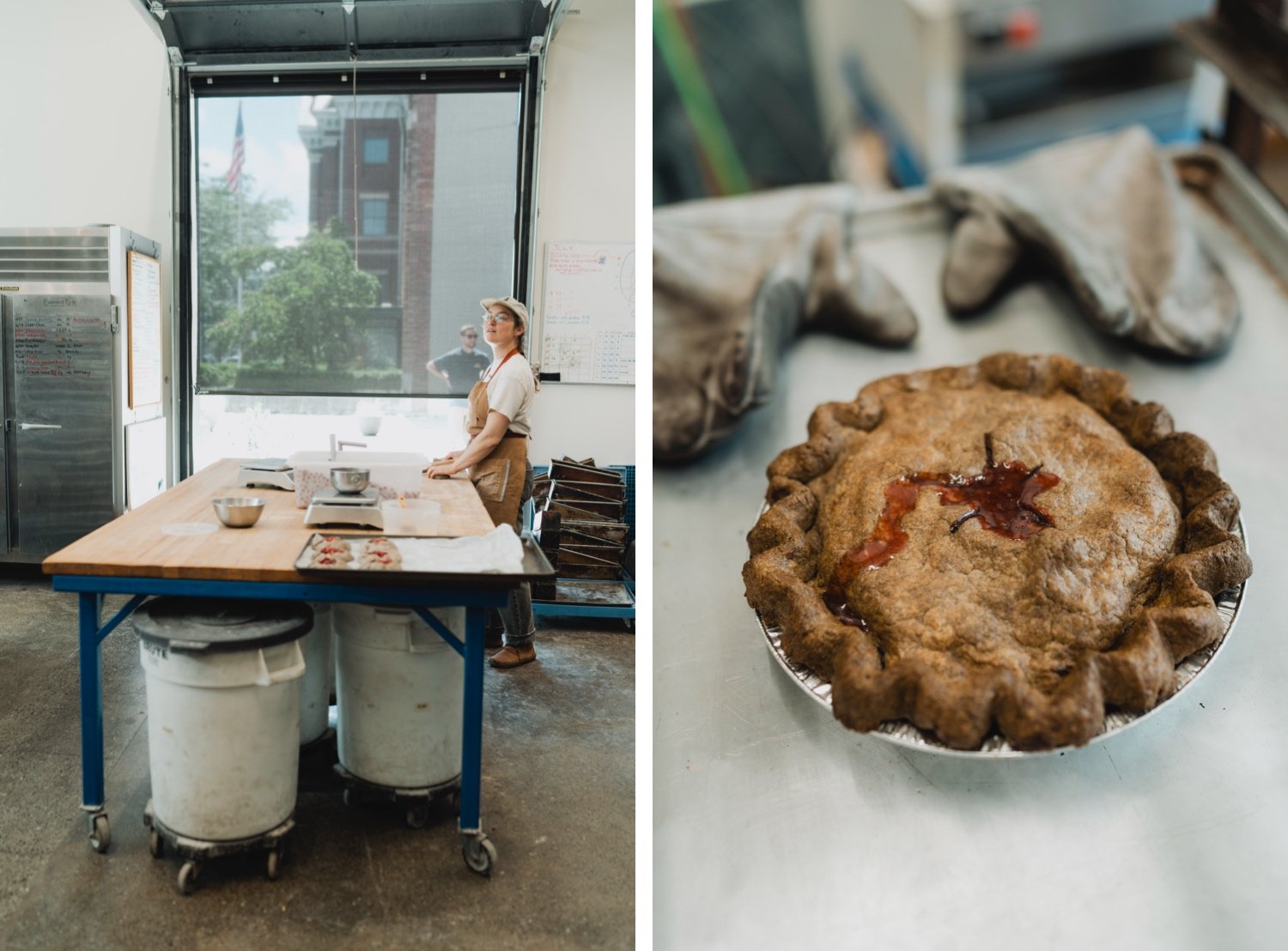
Once in a while, we go a little crazy with holidays and make things that are wildly inefficient but quite fun, like the cherry pies we're rolling right now. That's our jam.
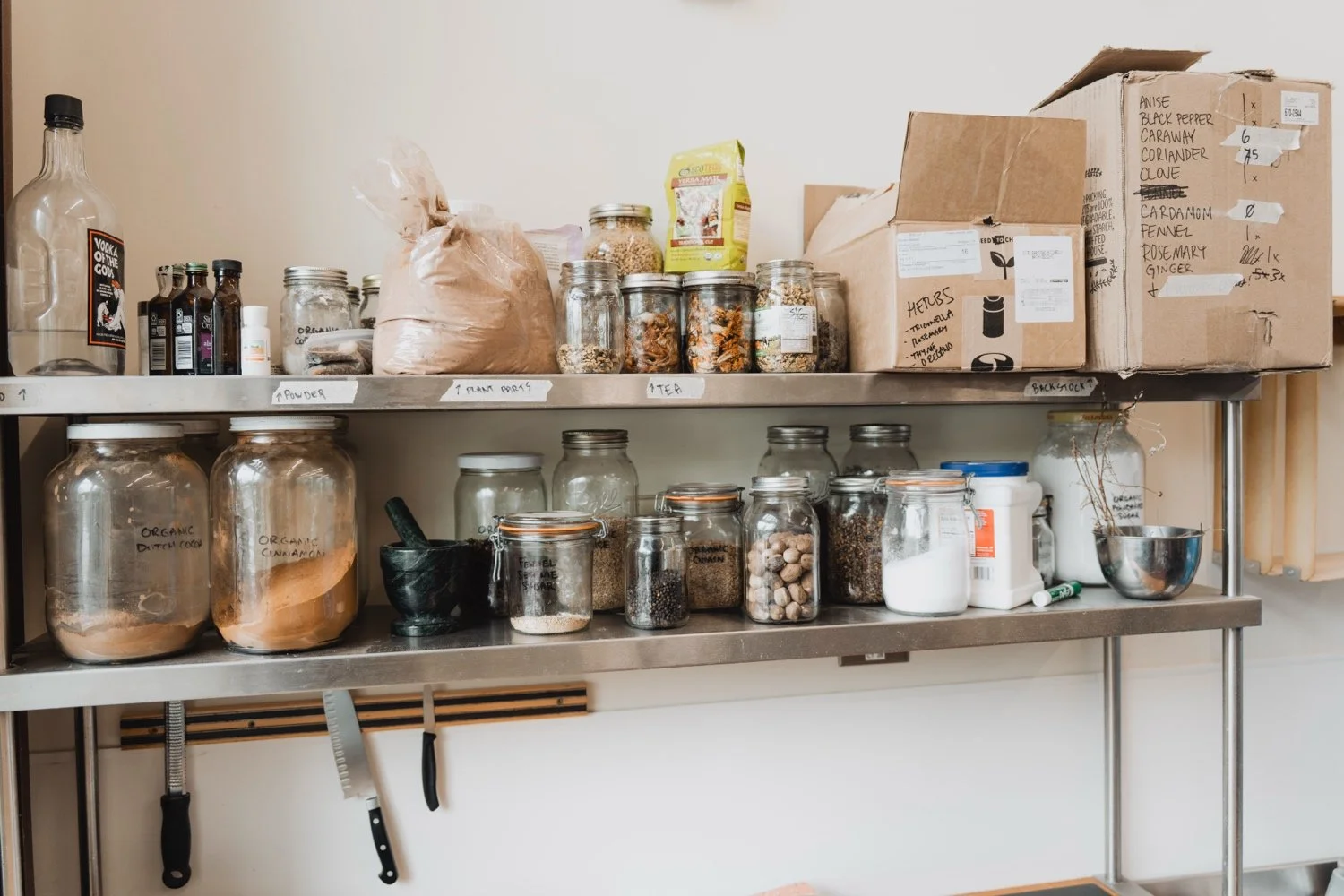
We're ingredient-based bakers. We tend to build our recipes around what's available from local producers or processors that we're excited about.
Zach: Tell me about how things got started. Have you always been a baker?
Sophie: I came to baking sideways. I was working on farms through my early twenties and decided that I wasn't going to become a farmer as a career. I wanted to keep working with my hands and with food.
I was really excited and idealistic about bread and local grain because this was the mid-2010s, before those conversations had really reached the mainstream. The people who were talking about grains as an ingredient, building local grain economies, and direct contracting with farmers were kind of at the bohemian edge of the baking world. They were all really cool, and I just thought, "I want to be like them."
So I decided to open a bakery with no food service experience or production baking experience, so that was a mess for a while.
Zach: How long ago was that?
Sophie: That was in 2014. For the first year, I was baking from the Tartine books. For home bakers of my generation, you might remember the sensation that was Tartine Bread from San Francisco. There was this wave of home baking that coincided with Chad Robertson publishing his bread baking books. Young, impressionable, and totally inexperienced as a bread baker, I was baking from the Tartine books for that first year. It was really wet, white-flour doughs—that was their jam. Naturally leavened and lovely, but not ultimately where we landed.
That first winter, I went and spent three weeks with a baker named Don Woodward in Toronto, doing a stage with her. She is a total badass baker and takes no shit from anyone, has very little patience for a lot of what’s happening in the food world. She was baking all this stuff that was deeply focused on Ontario grown ingredients. She was working with farmers who were reviving old mills on their farms or in their communities. She was using Ontario maple syrup as a sweetener and doing all these totally ridiculous things that were so inspiring to me at 24 or 25.
I came back and thought, "I'm going to do that." So I stopped using white flour. I went cold turkey and had to completely relearn how to bake. I made very ugly bread for a year or two. That was the beginning.
Zach: In what ways has Raven changed since then?
Sophie: After that first little sidestep into white flour at the beginning, we've stayed pretty true to form. We're still entirely bicycle-based for the farmers market and deliveries, although now we have an e-bike because making other people ride a beater mountain bike with a giant trailer was not actually a useful thing.
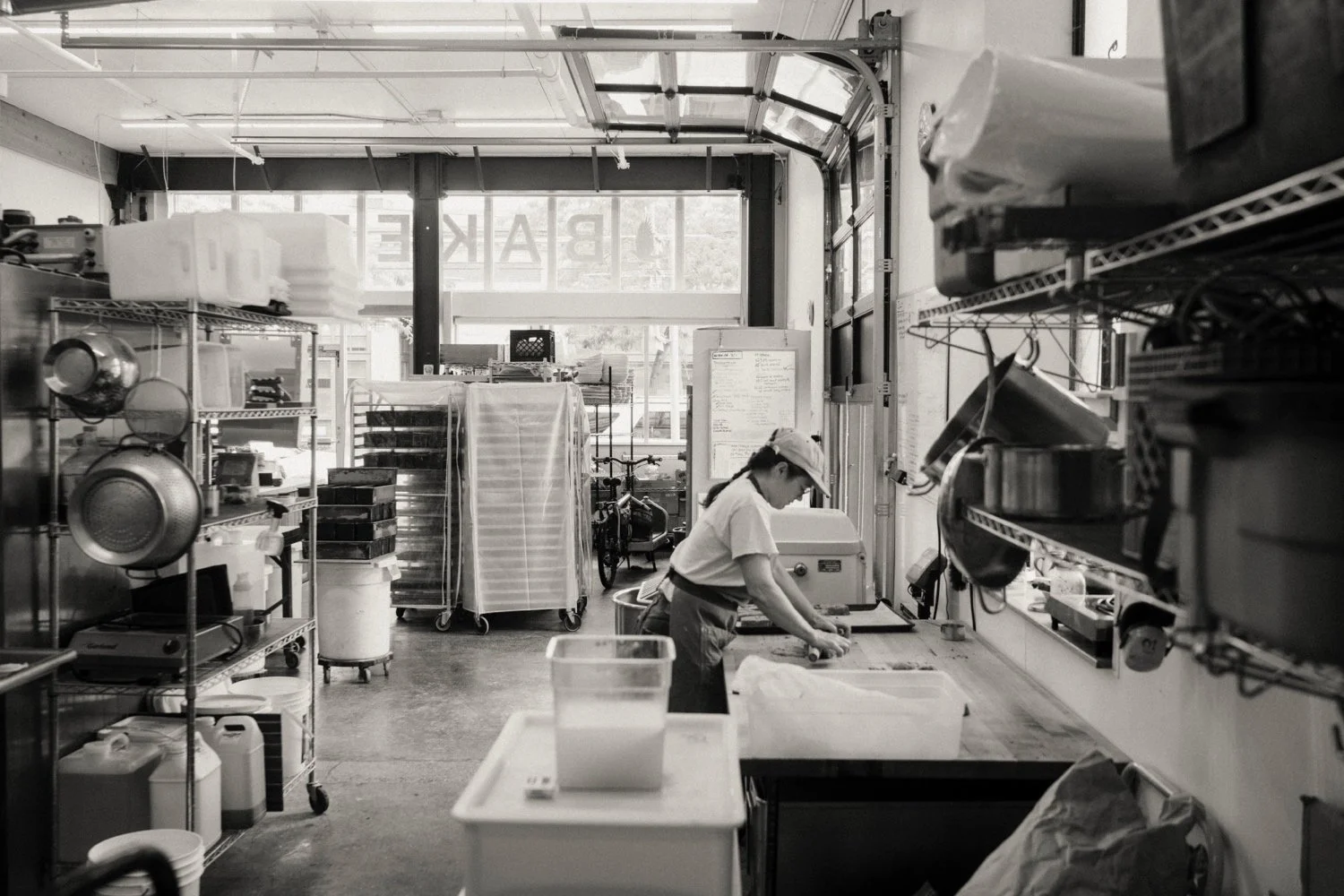
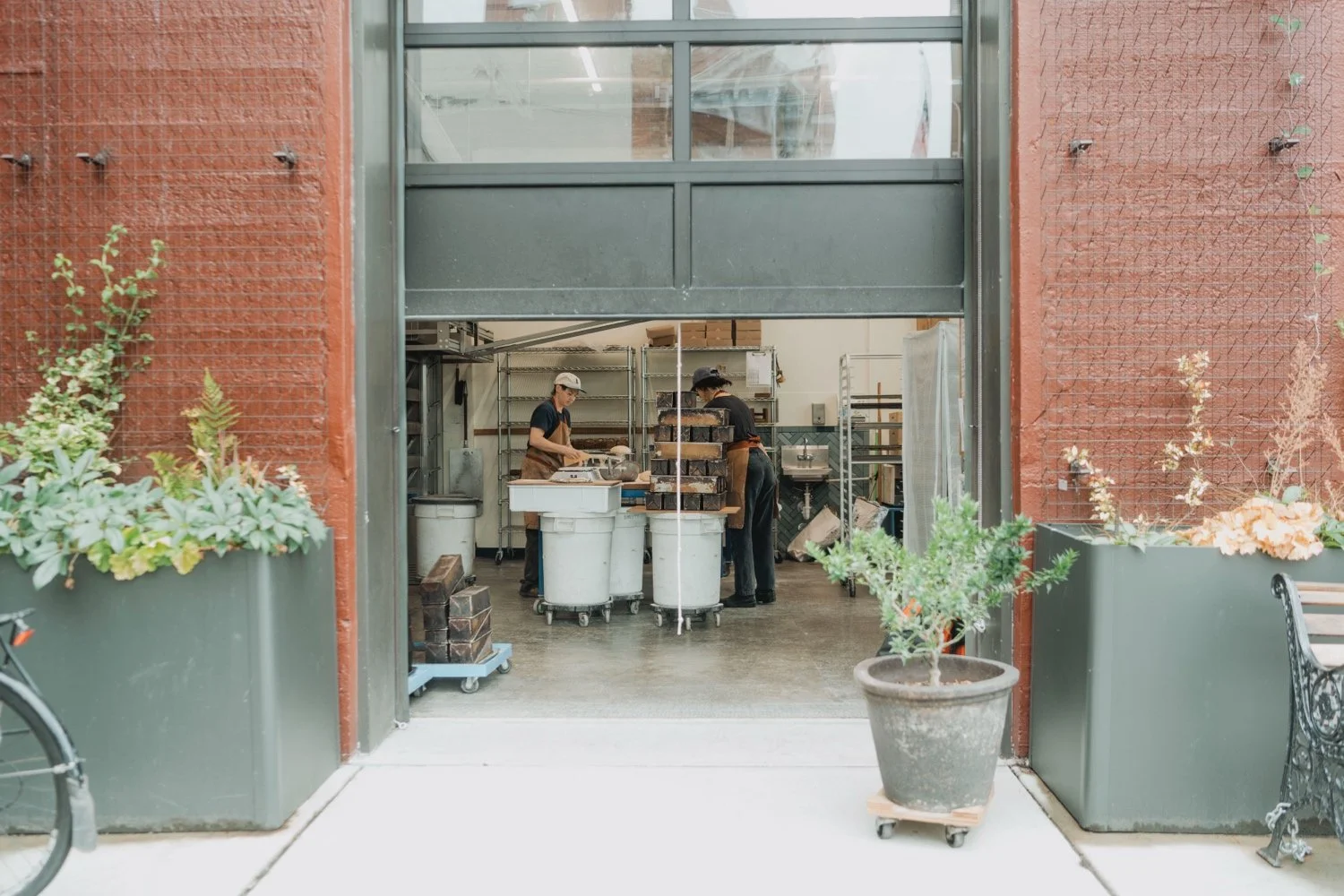
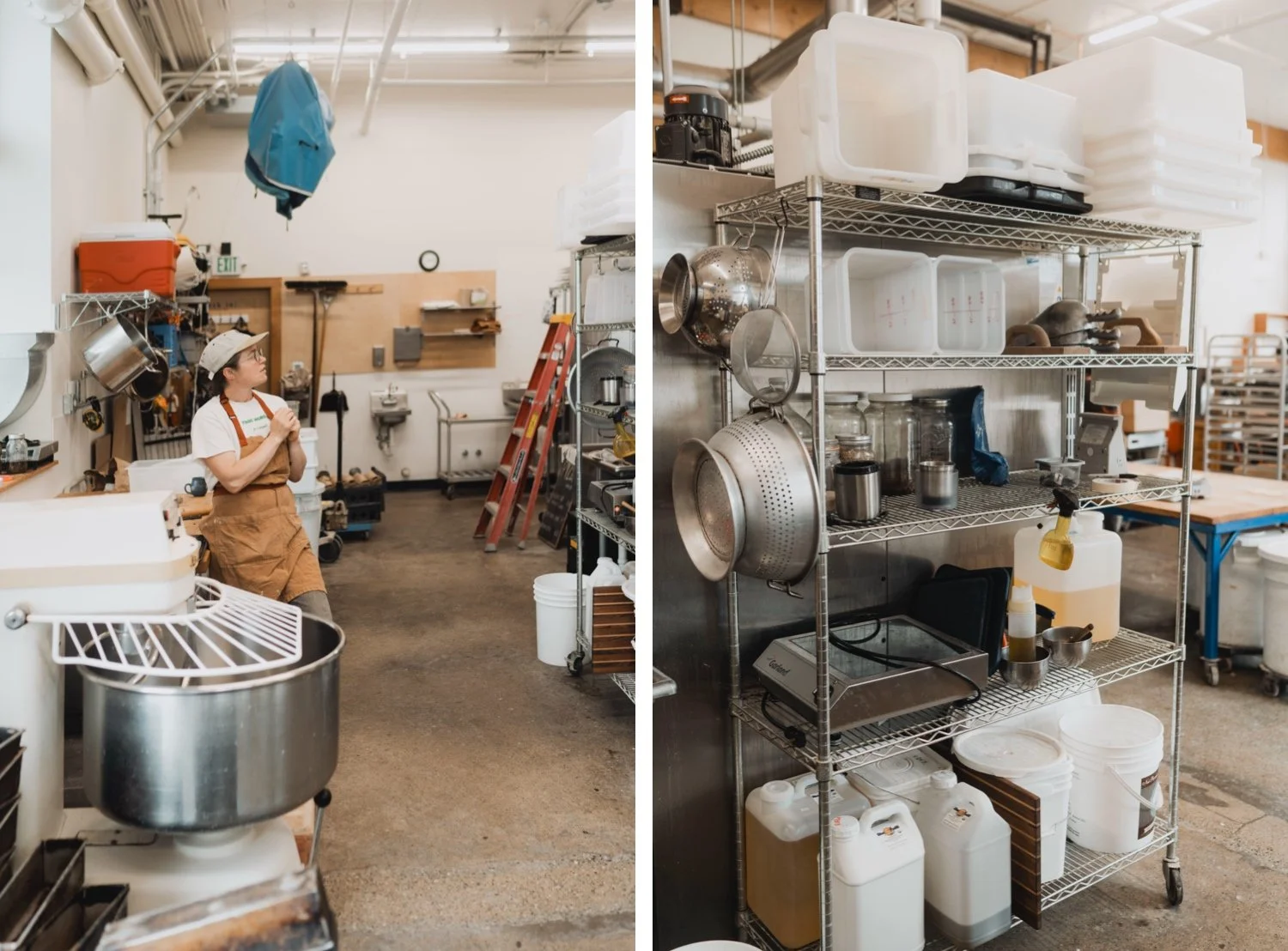
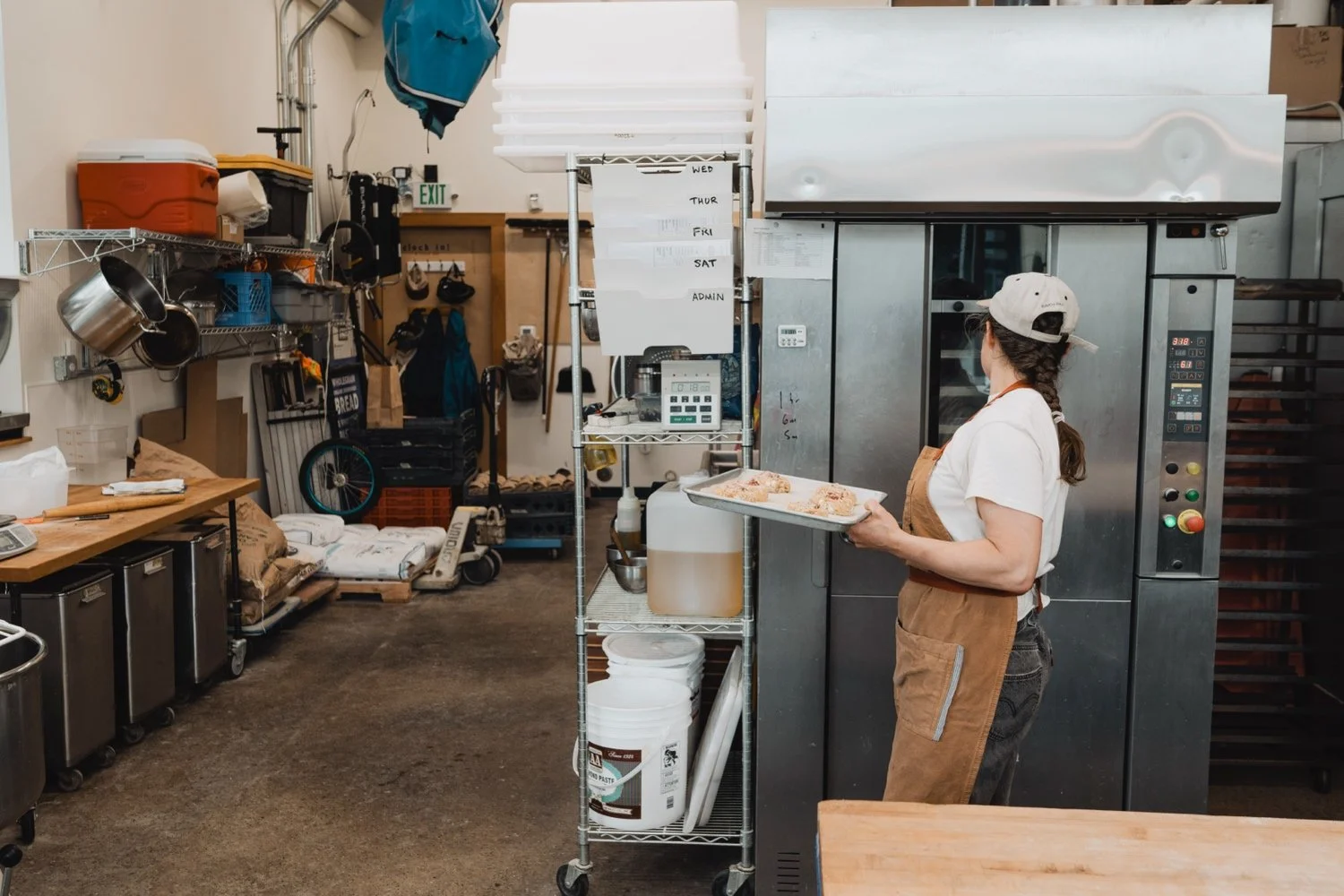
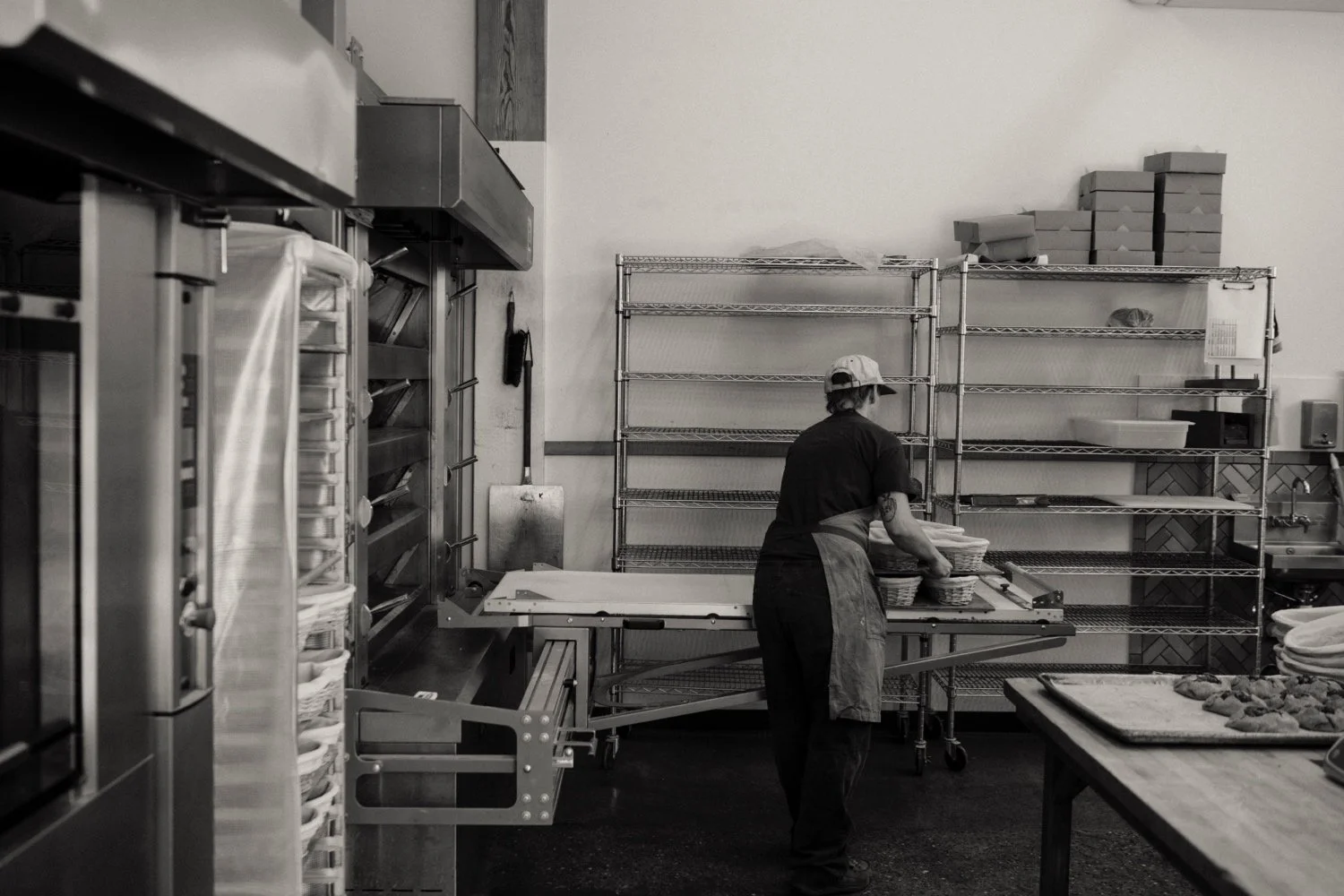
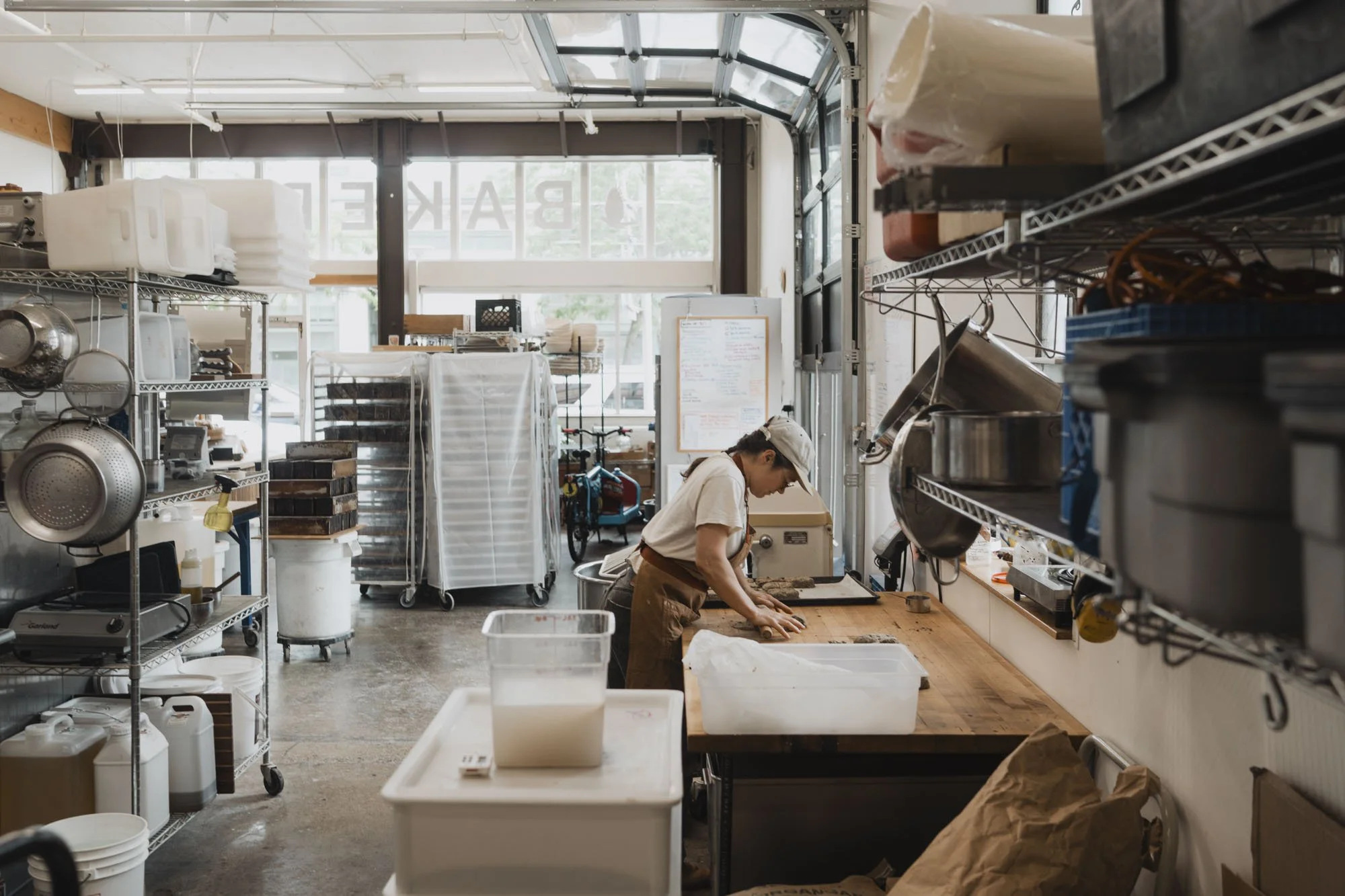
The biggest change is that I worked more or less alone out of restaurant commissaries for the first nine years that I had the business. I was doing everything from start to finish. It was moderately terrible. I hated our commissary. It had no natural light, it was loud all the time, there were pests, and no one ever cleaned up. So it's very pleasant to be in our own space now. It's clean, well-lit, and has proper safety equipment. I was doing everything by hand for many, many years.
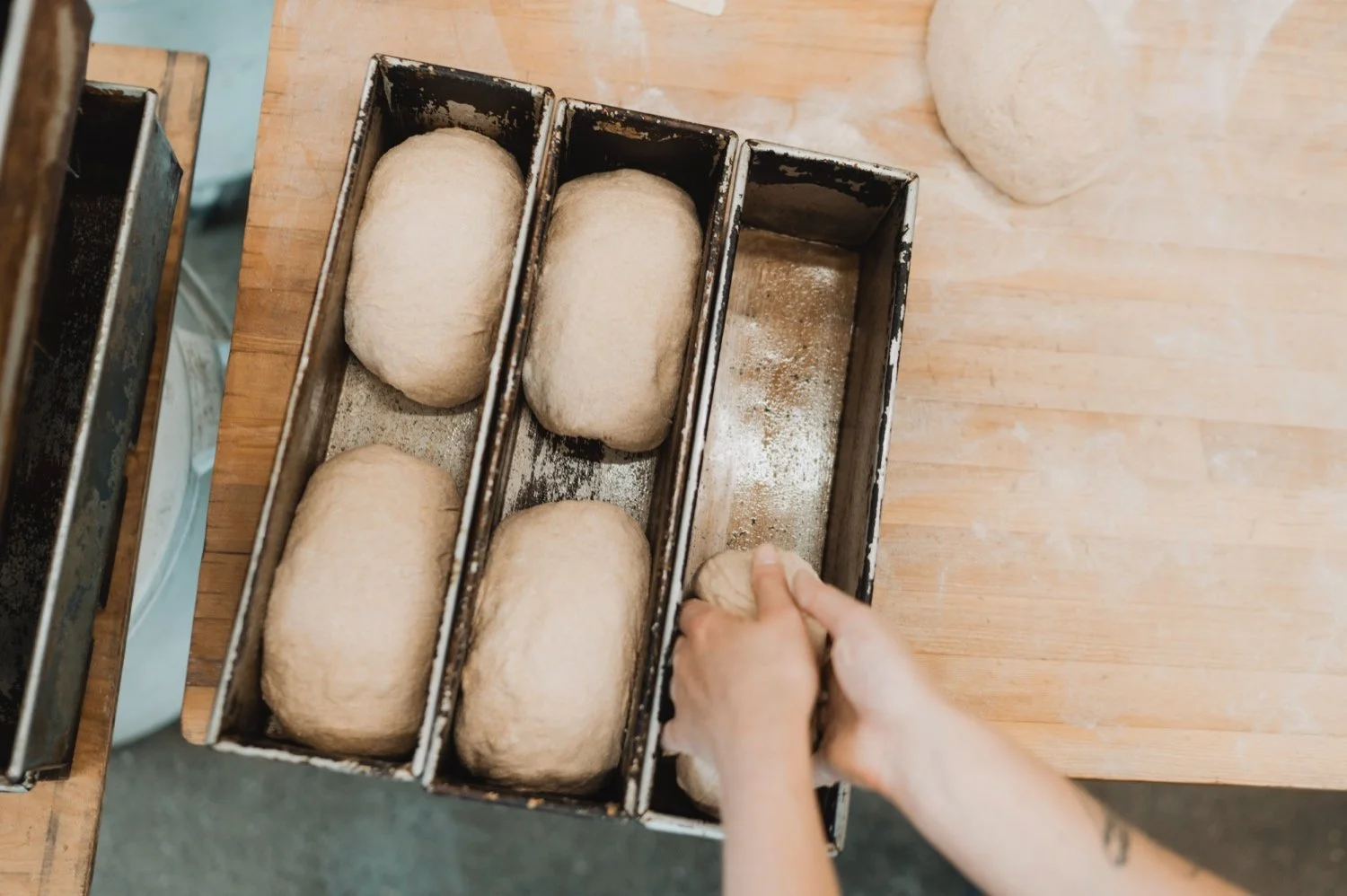
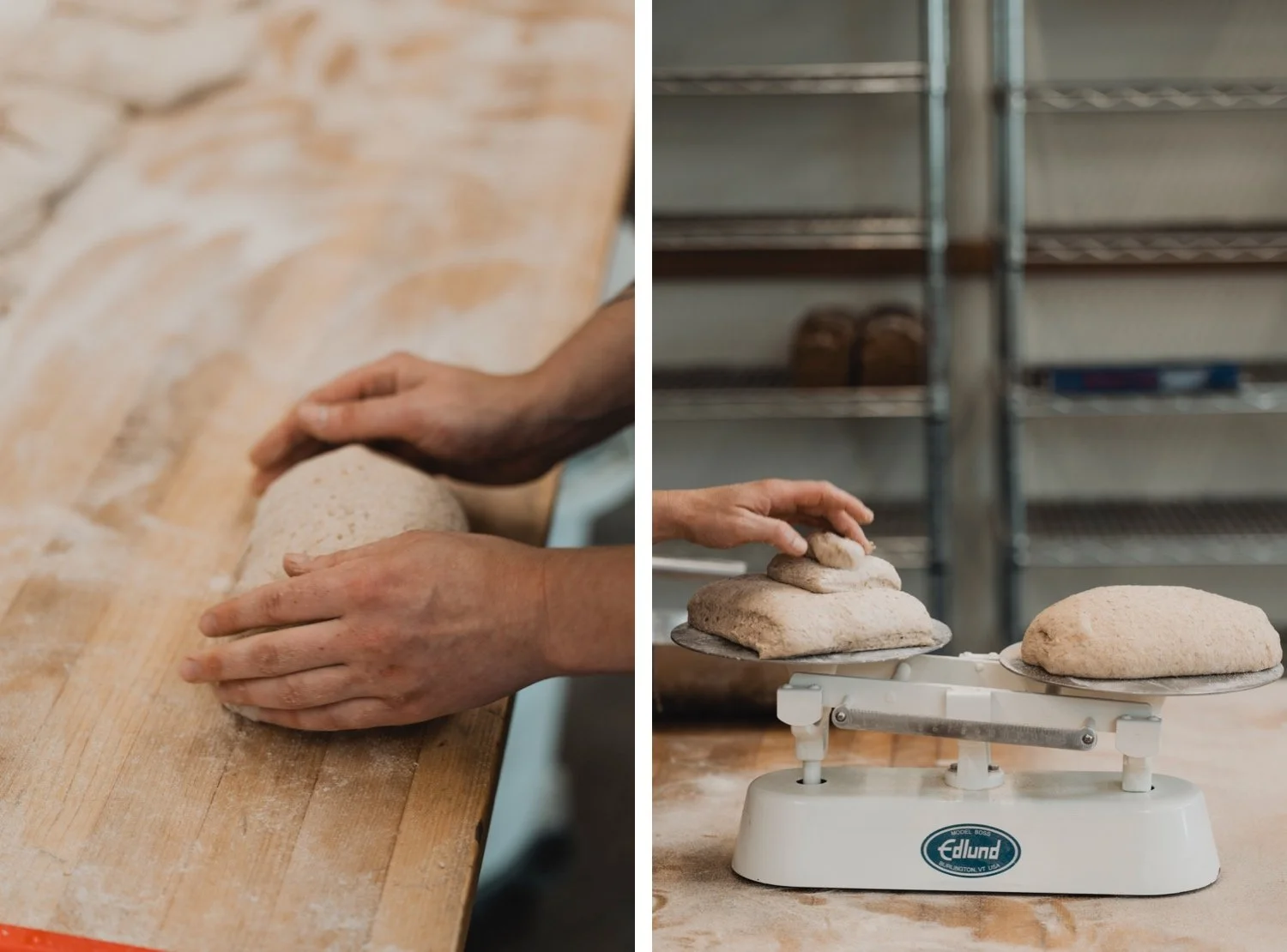
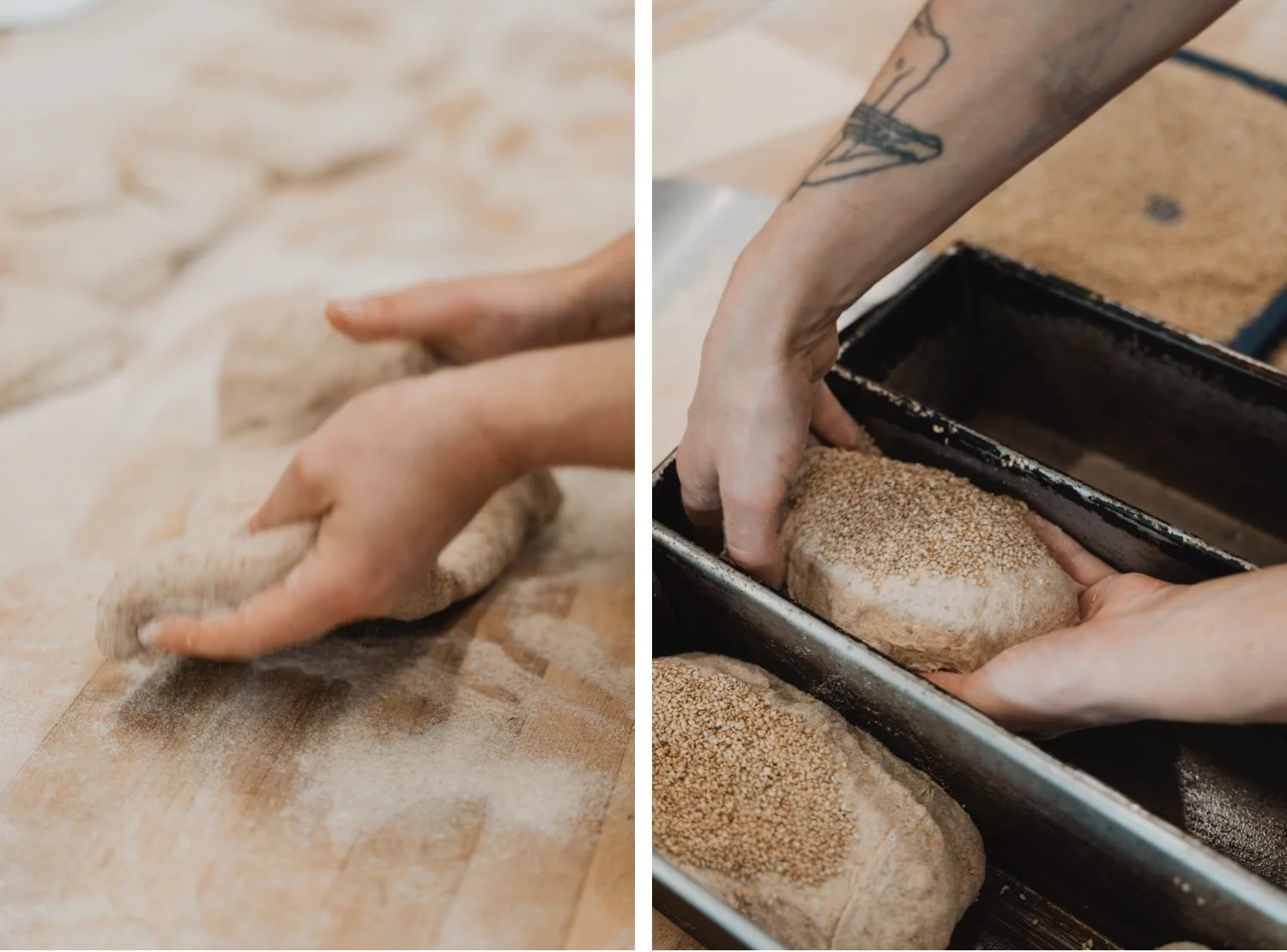
Zach: Talk about where you are now.
Sophie: In 2019, I started looking for a space to build out a retail bakery. As with most things, I had a little bit too much idealism. I wanted to use entirely electric equipment and not be dependent on natural gas. I wanted to be somewhere walkable and bikeable, with a bus route nearby. Those things are not super compatible with a place that has the amount of electricity we need for our ovens. Places with commercial amounts of three-phase power are generally in industrial parks.
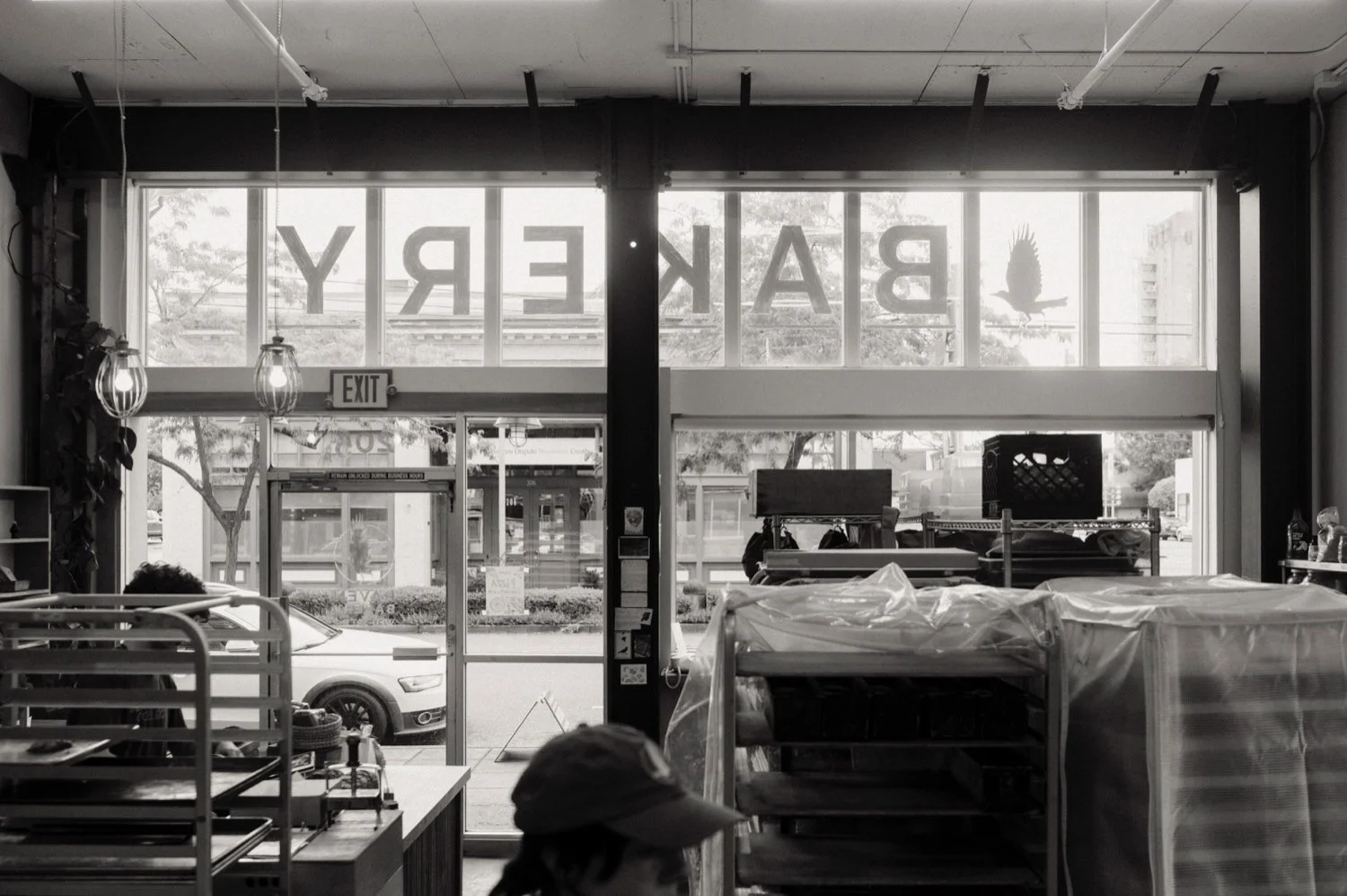
So it took some years to find this spot. The Cascade Laundry that was here for many decades used a lot of electricity, so this building has a lot of electrical capacity. We're on the 232 line, so there's a rapid transit line right outside our door. We also have a landlord who is great and super involved in bicycle and pedestrian advocacy. We love it.
Zach: What do you think sets Raven apart from other bakeries in the area?
Sophie: We're making a pretty different product than other folks, by nature of the grains we're using. There's plenty of sourdough bread around, and lots of great sourdough bread. It's mostly white flour. Not a lot of it is organic.
The kinds of recipes that we develop are not technical masterpieces, but we put an immense amount of thought into every piece that goes into them, from the ingredients to the labor.
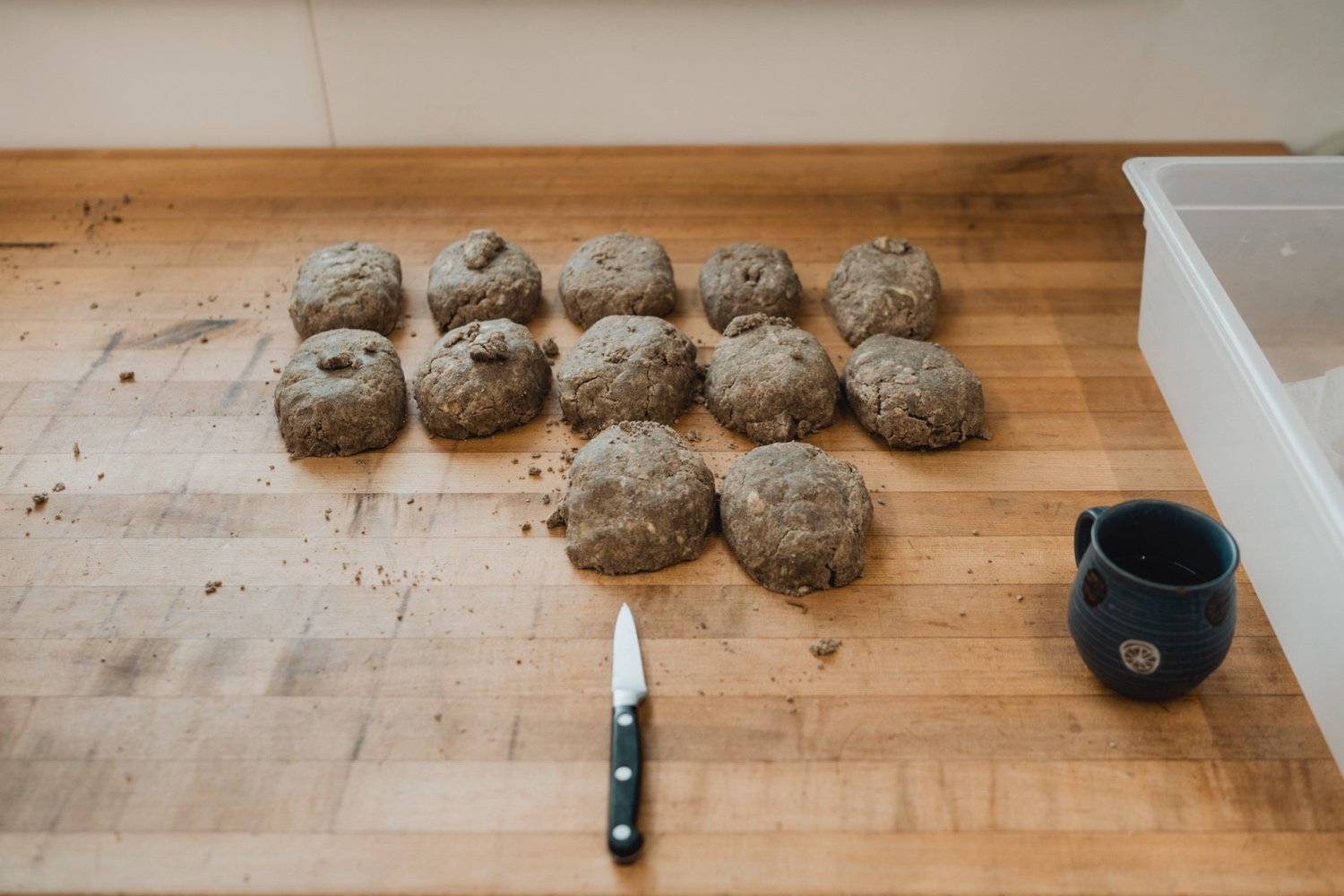
Zach: What does the process of developing a new recipe look like?
Sophie: We often start with a problem to solve. Maybe our pastry case is too brown and we need some color. Or it's cherry season and we should make something to use up the cherries.
Right now, we have what we're calling chocolate after-school cake on the counter. That's a recipe I developed to use a bunch waster products. In the fall, customers bring us apples, pears, and plums from their trees. This winter, we had a lot of apples that were on the edge of expiring, so we sauced them, but then we needed something to use the sauce in. We buy really excellent coffee from a local roaster named Steed, and I hate dumping the leftover coffee at the end of the day. We also weren't selling enough of the cake we were making before this. So this recipe uses leftover coffee and applesauce. We ended up deciding that buckwheat paired really well with the coffee and chocolate that were already in it. That meant we solved a problem we weren't trying to solve by adding a gluten-free item, just by the nature of buckwheat as a grain.
That was sweet because now we have something we can point people toward when they want a gluten-free pastry.
I also wanted something that would keep really well because we tend to make our pastries in big batches for maximum efficiency to balance the slightly absurdly cost of our ingredients. I like oil cakes because they keep better than butter cakes. That's how that particular product came together, and I think it's a good example of all the different invisible thoughts that go into our products.
Zach: What's it like running a bakery and being in the food industry in Bellingham?
Sophie: I think it might be very different from running a restaurant or a bar, but I've never worked in either of those. I think there’s a pretty small town feel to Bellingham in a lot of ways. We have customers who have been with us for a really long time. I think those long-term relationships both help the business survive and make me feel more rooted in this community.
That feels like a big part of it. Maybe a neighborhood bakery in Seattle or San Francisco could feel the same way, but I really value those relationships.
Zach: Do you have a product that you're most proud of?
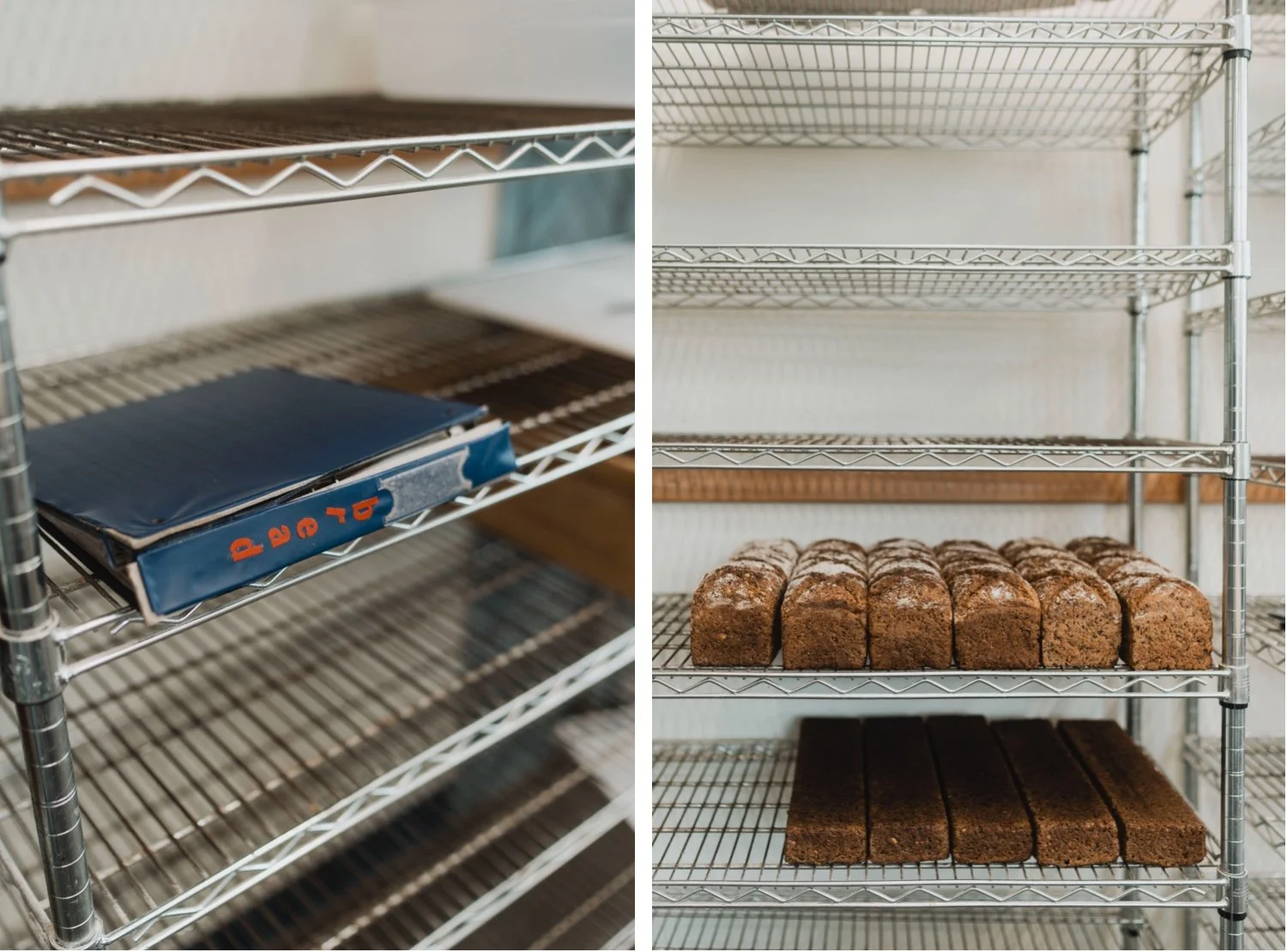
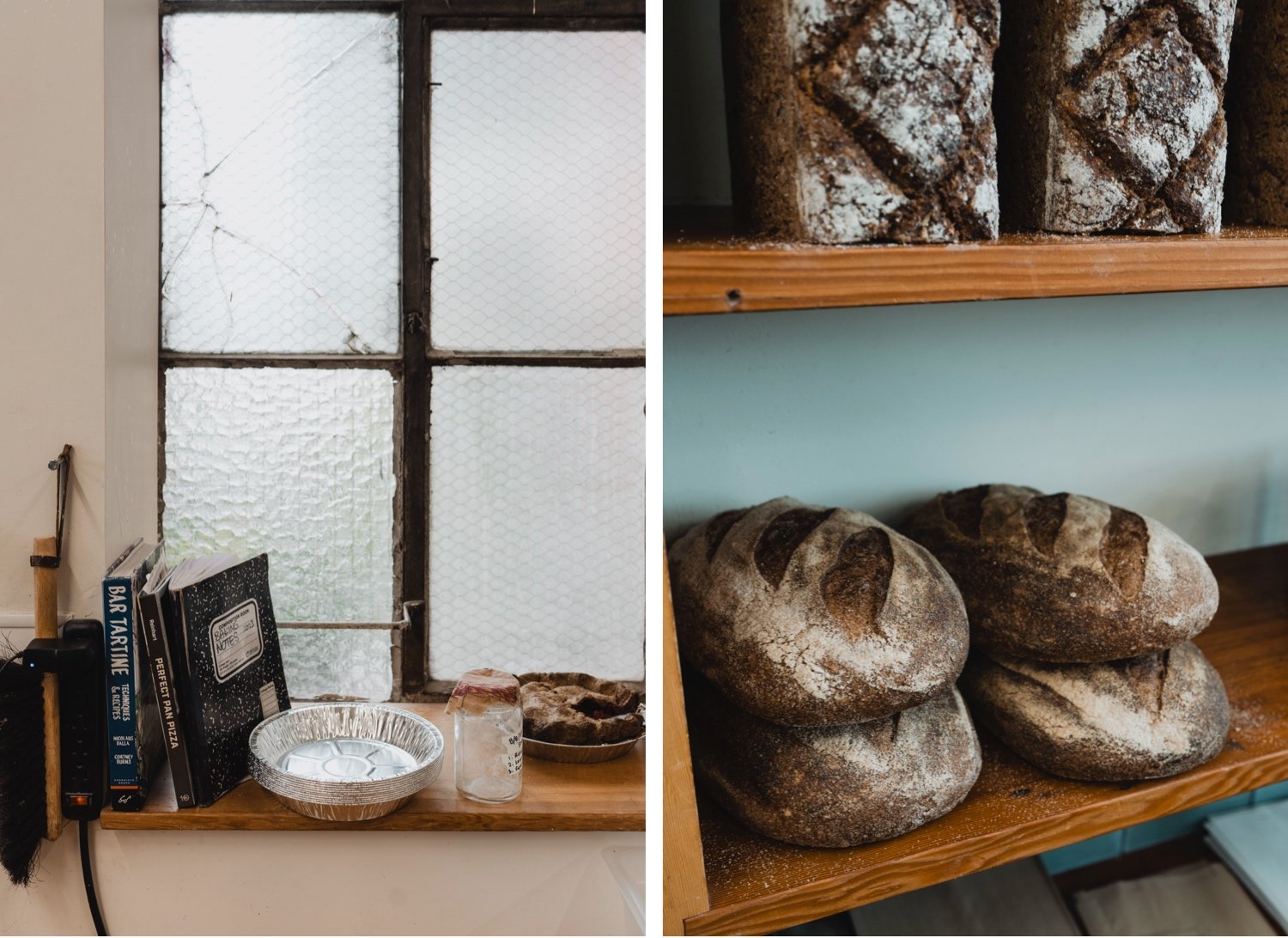
Sophie: I think that our rye breads are exciting. They're challenging, and they are definitely not the product that's going to launch us into celebrity baker status or something. They're a pretty niche market.
But rye is such a cool grain, and it's so well-suited to this climate. It's more tolerant of wet conditions, but it's also more tolerant of drought, and it takes less input than wheat. It's just a really cool grain.
And the fact that we can get rye that is grown and milled regionally is really exciting. I find European-style rye breads delightful, and I take satisfaction in being able to feed our European customers something that they feel a lot of nostalgia or cultural connection to. So, I think our rye bread.
Zach: Do you go to a lot of other bakeries when you're out of town?
Sophie: In my twenties, when the bakery was still just me working the farmers market and doing a little bread subscription, I would spend every winter traveling and visiting or working in other people's bakeries. That is not so much the case now because of the nature of the business, and because it's been a very long time since I've owned a car, so getting around is not quick.
Zach: What did you gain working with a lot of other people?
Sophie: It was so useful and inspiring in those early years of the bakery, and I'm sure it would still be today if I was doing it. It was a vacation I could take every year. I would go on a bike tour and visit a bunch of bakeries.
One winter, I shipped my bike FedEx to Greenville, South Carolina, walked from the airport to the FedEx door, assembled it, and then rode up to Asheville and then down over the Blue Ridge Mountains and into the flats, the Raleigh-Durham area, from there, and visited that group of bakers who were all doing really cool things that were different than what people in other places were doing.
I think because I didn't grow up in bakeries, I didn't start my career in other people's bakeries, it was so amazing to see what other people were doing. It was kind of like the pre-algorithm days of Instagram, so there was a pretty strong artisan baking community on social media in a way that I imagine there is not now.
I was visiting a lot of folks who were growing their own grain, or milling their own flour, or had built their own ovens, or were doing things kind of at the edges. There were a lot of rural wood-fired bakeries, people who were doing really cool things with ingredients, not directly analogous to what we're doing in this urban bakery with our electric oven, but they were so inspiring. People who were just operating outside of the mainstream and doing really interesting things.
Zach: What does the future of Raven look like? Do you have goals for the business?
Sophie: I've got lots of goals. I want to grow fully into this space so that we're using our equipment and our physical space to the max, at least some of the time, maybe not all the time, because that would be overwhelming.
I want to, in parallel with that, grow to the point where we have more room for employees to advance and expand their roles in the bakery, and ideally get big enough that we could offer some degree of benefits, because this is a hard place to live.
Those things, I feel like, all go hand in hand. And then the outward-facing side of that is getting bigger and getting to feed more people food that I'm excited about, and ideally opening more conversations about local food and what is possible.
I think it would be really fun to figure out ways to engage more with different artists or businesses. We have this amazing patio that we're not using much because our hours are during the workday. But it would be fun to start doing more events or fundraisers or other things, using the space in different ways, teaching classes in here after work, that kind of thing.
Zach: When someone buys a loaf of bread or pastry or whatever from you, what do you hope their experience with that is?
Sophie: I want our food to be pleasureful and nutritious and hearty and have good keeping quality. I want us to be making, whether it's bread or pastry, people's daily bread. We're not trying to make something exquisite. We're trying to make something that is consistent and good and makes people feel good, both about eating it and purchasing from us.
Zach: What's all getting produced today?
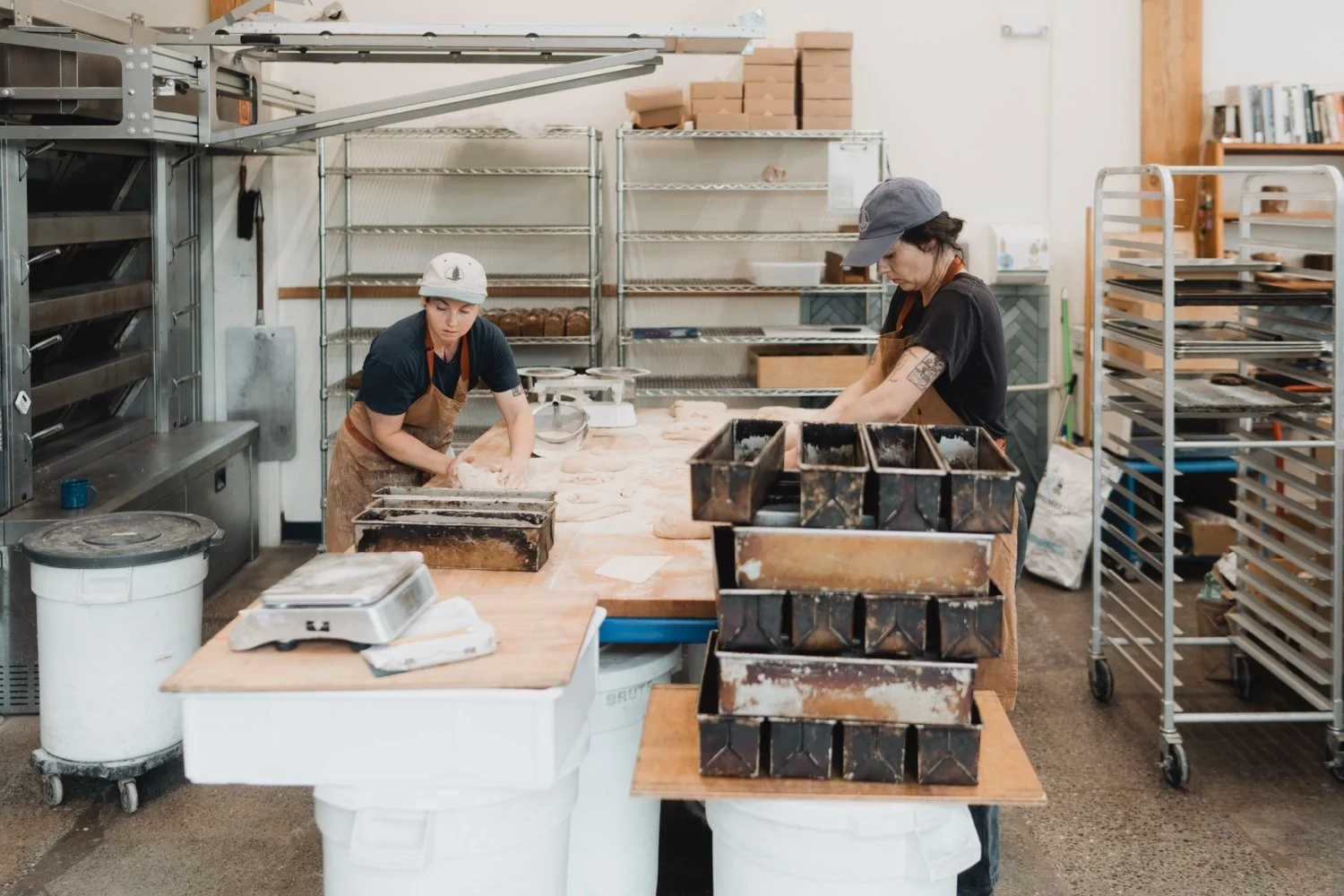
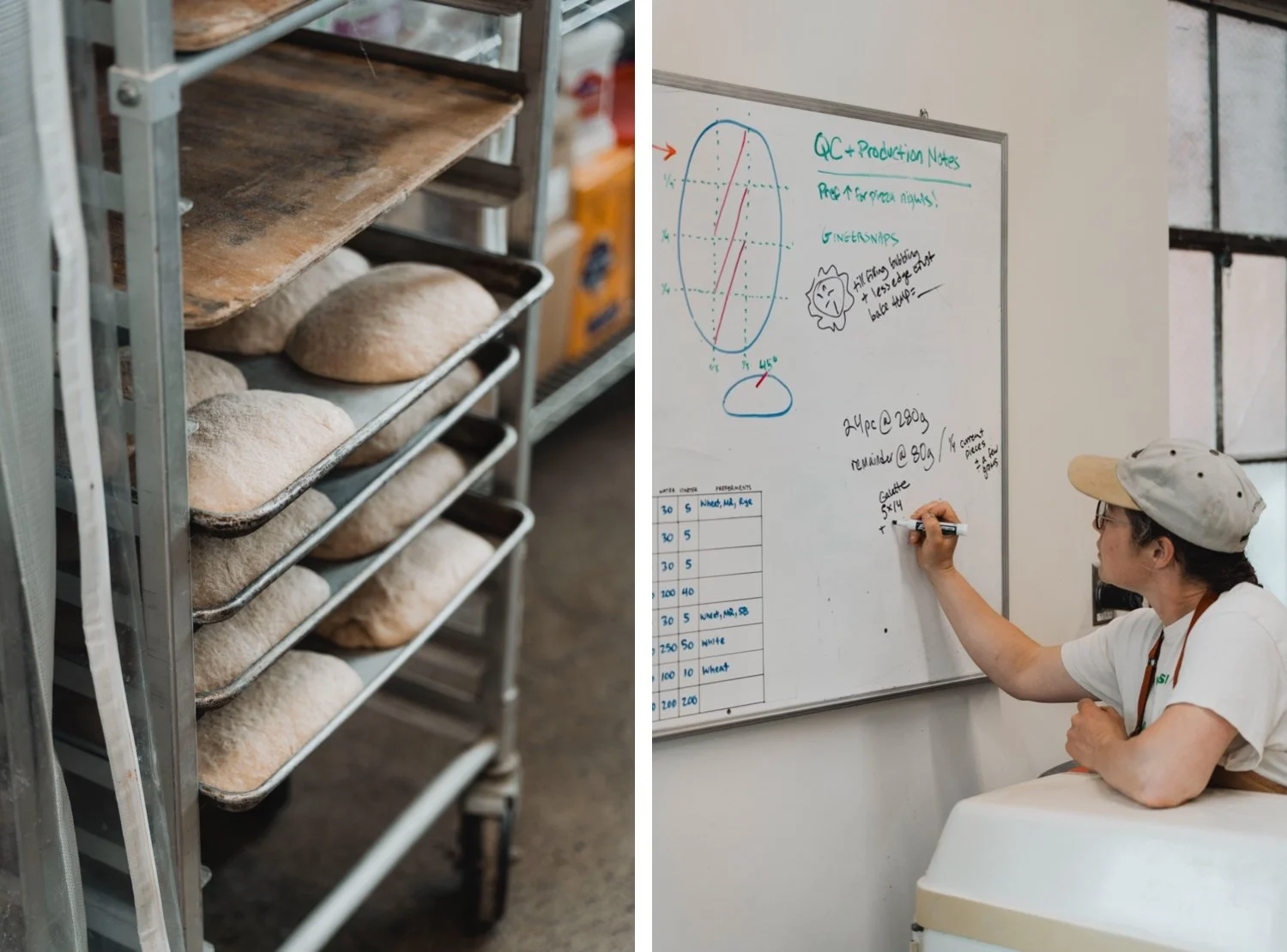
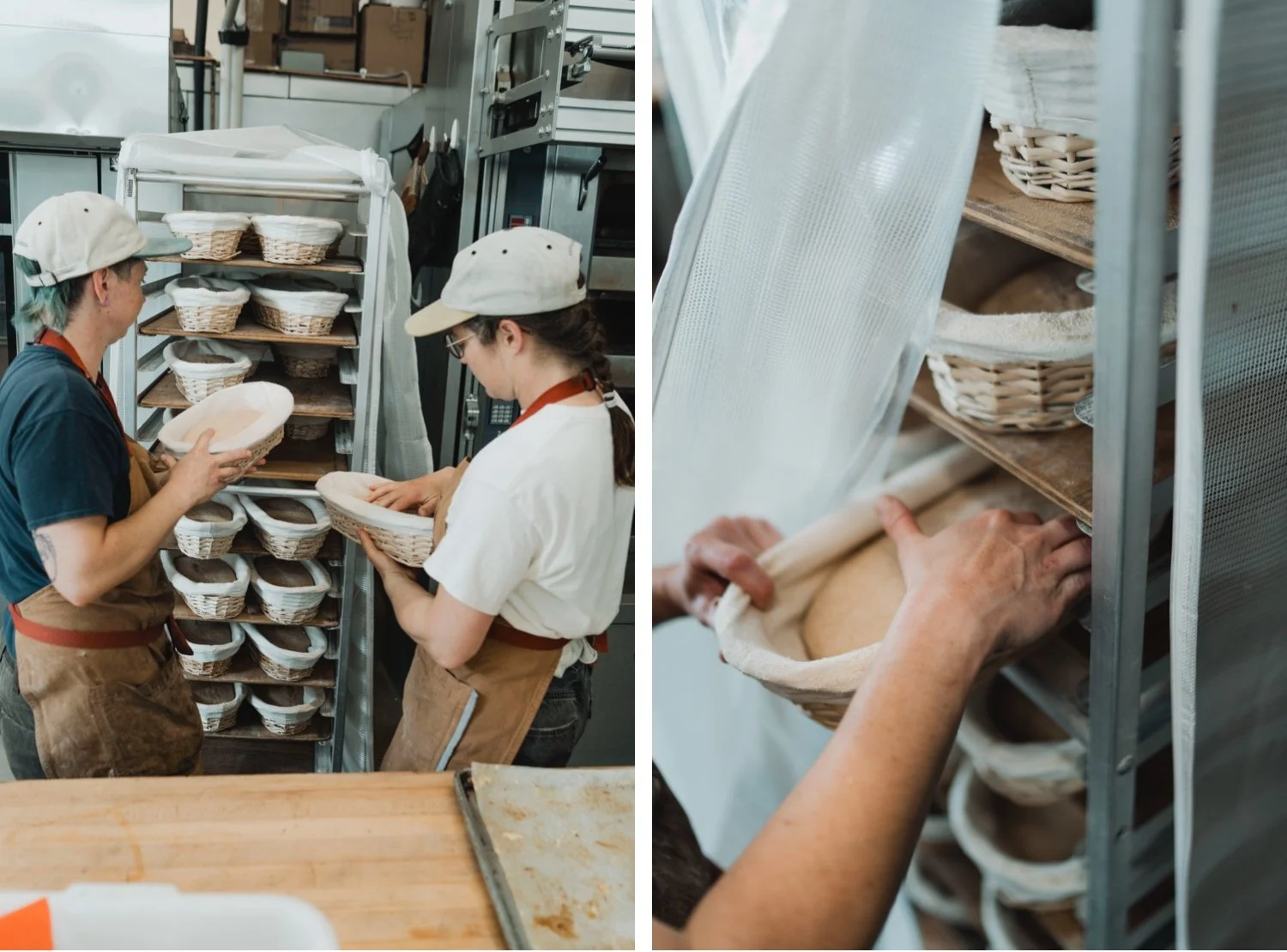
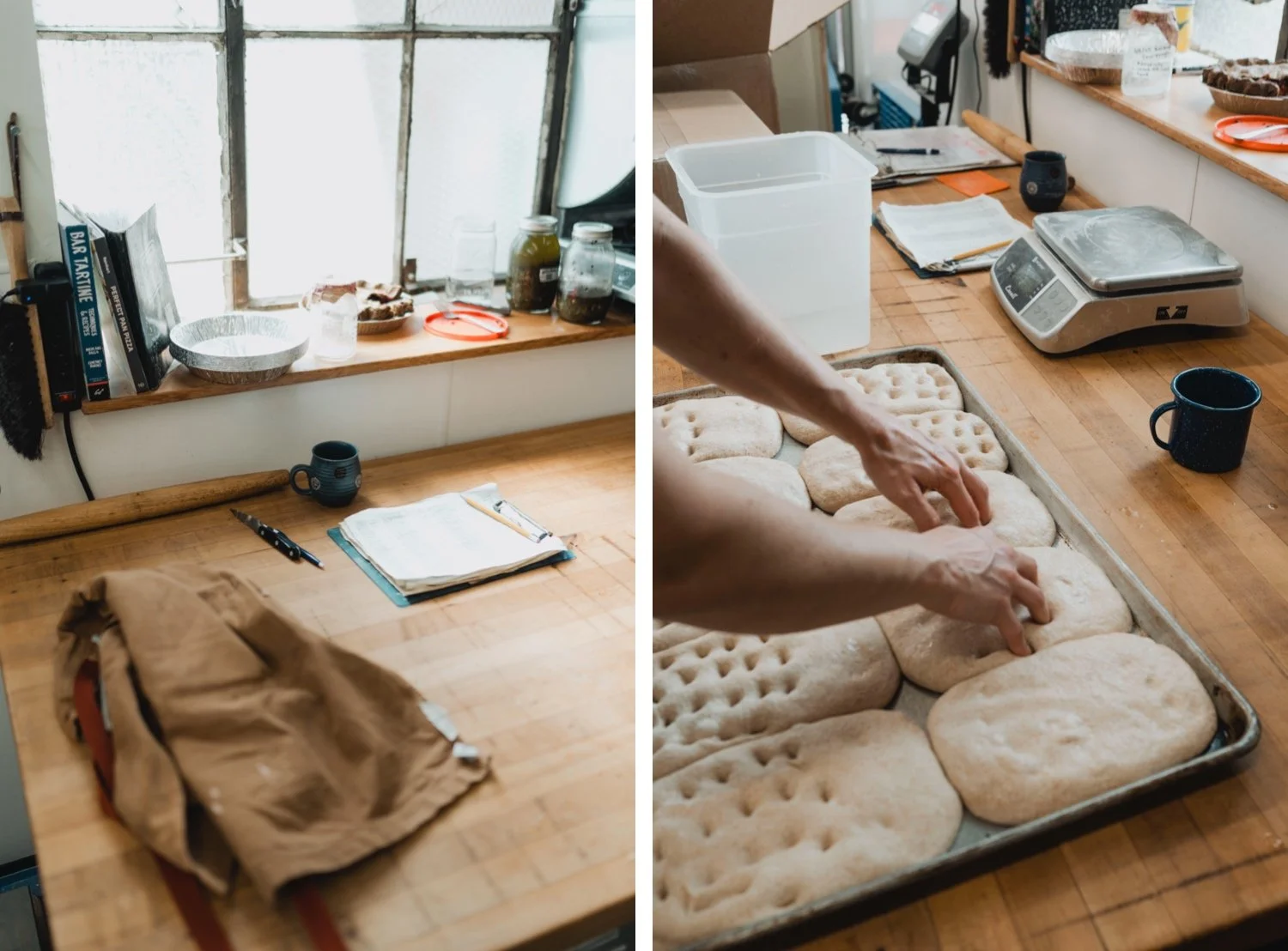
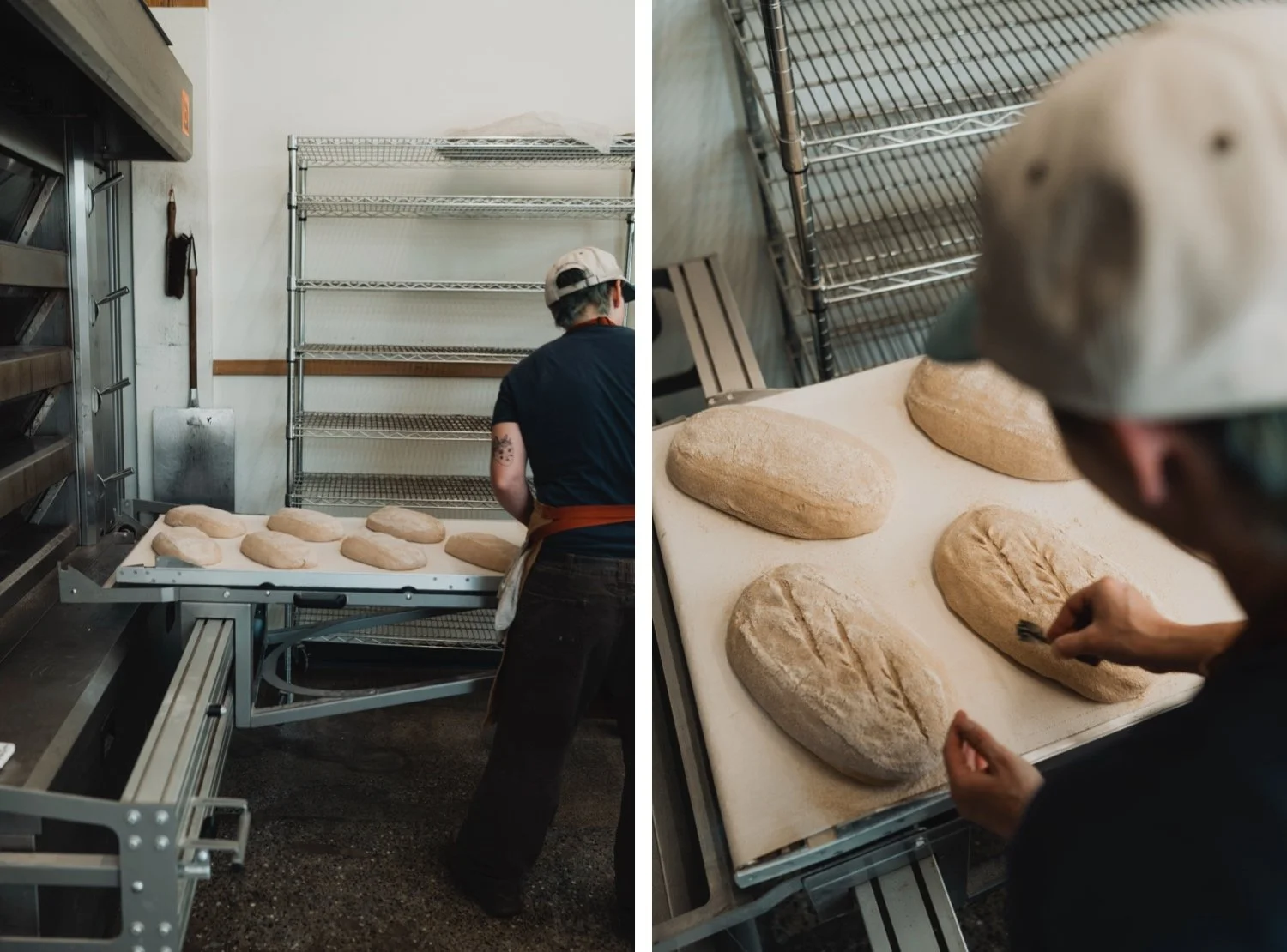
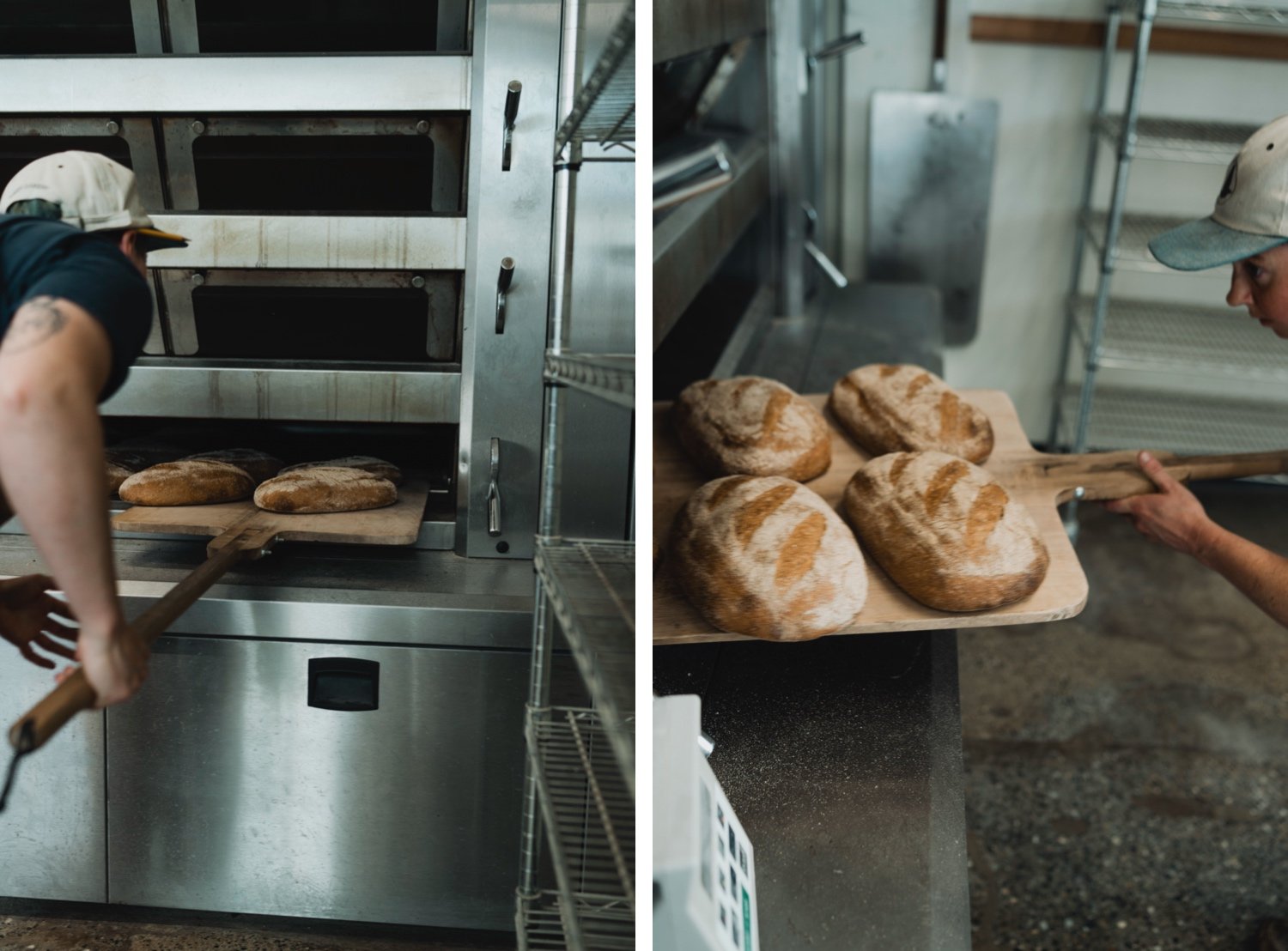
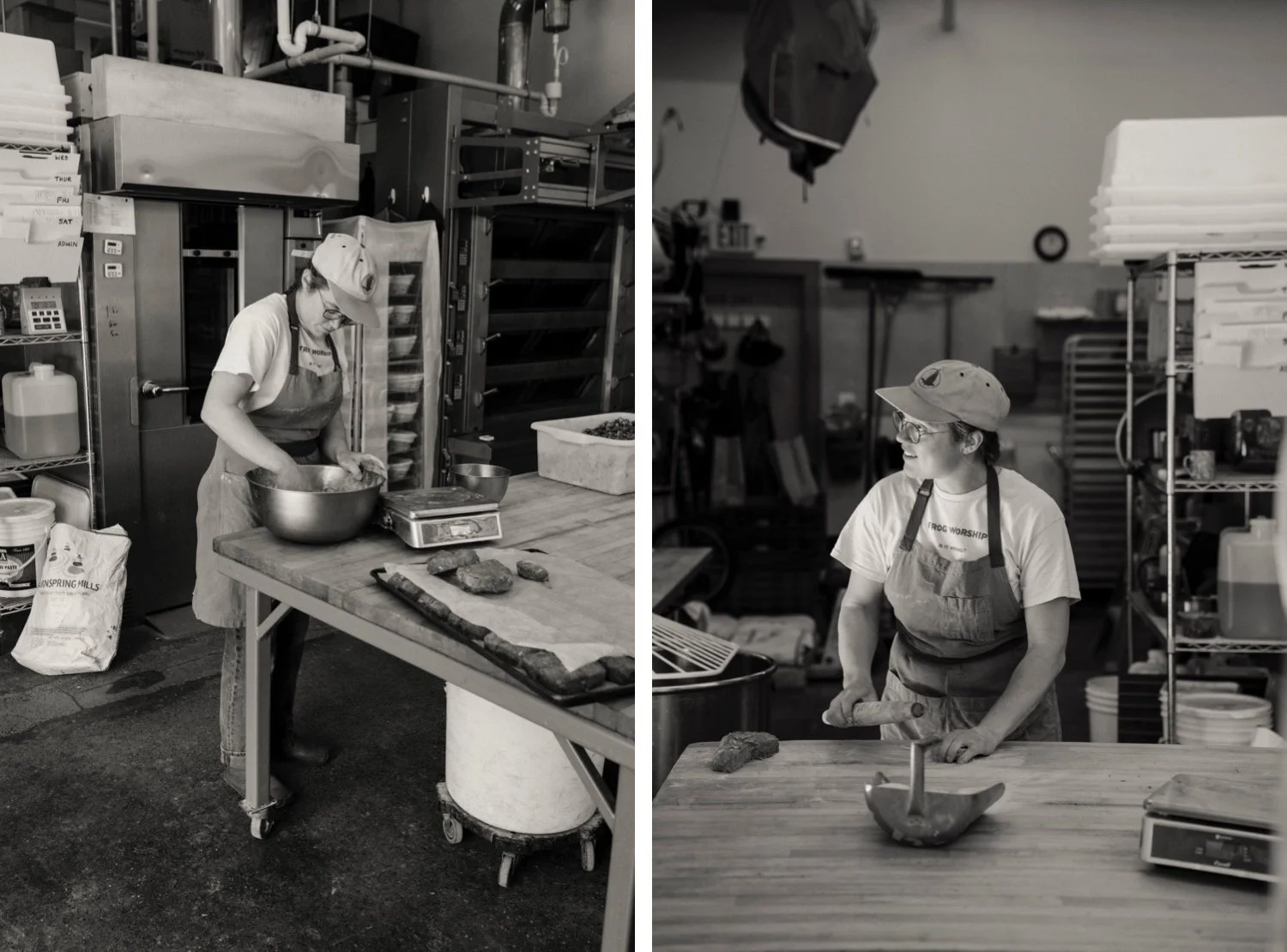
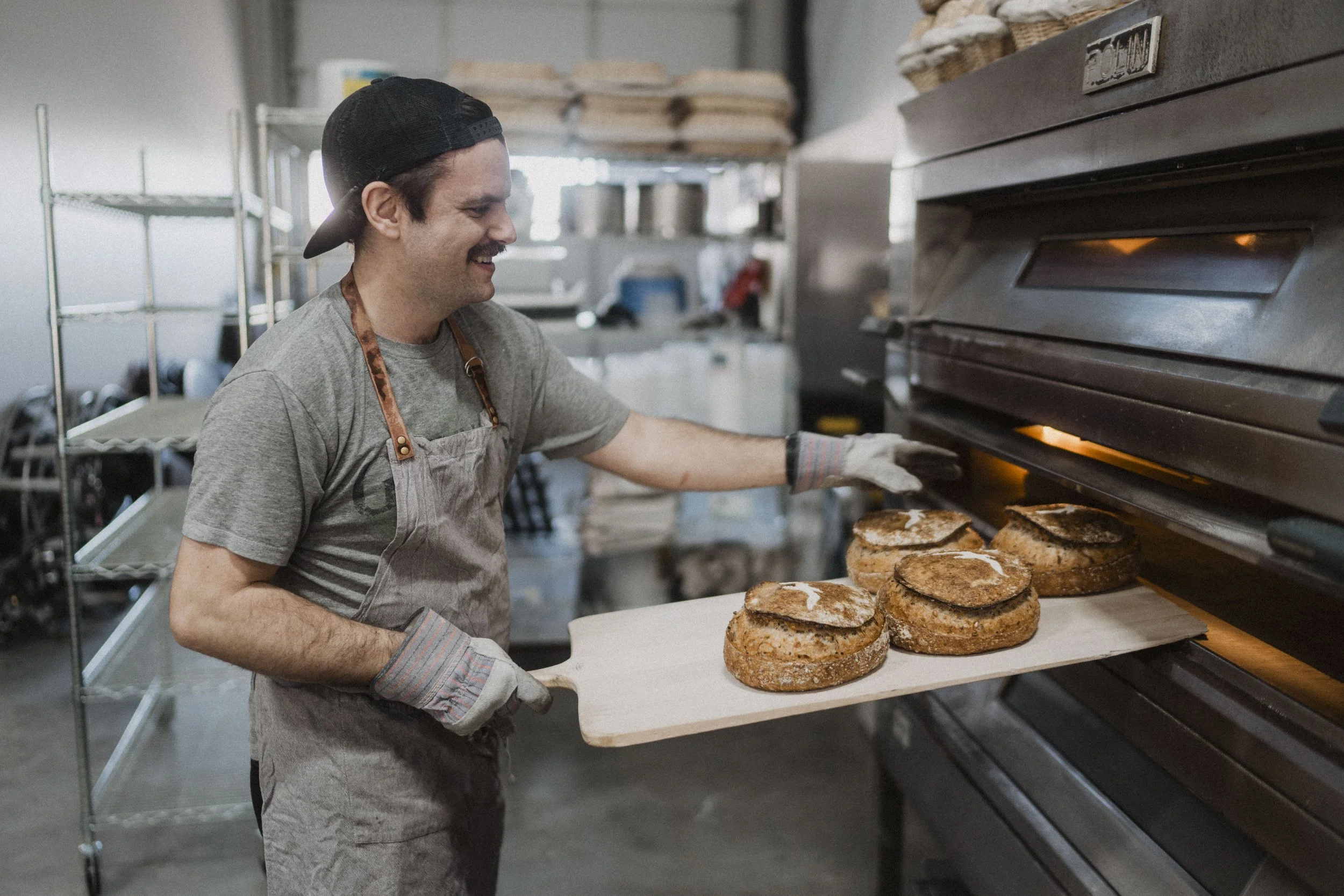
Sophie: Today, we have our usual Saturday bread day, because Saturday is our biggest sales day of the week, and we bake our bread the day before we sell it, which is amazing because working night shifts is not something I ever want to do, or that I ever want to put anyone else through.
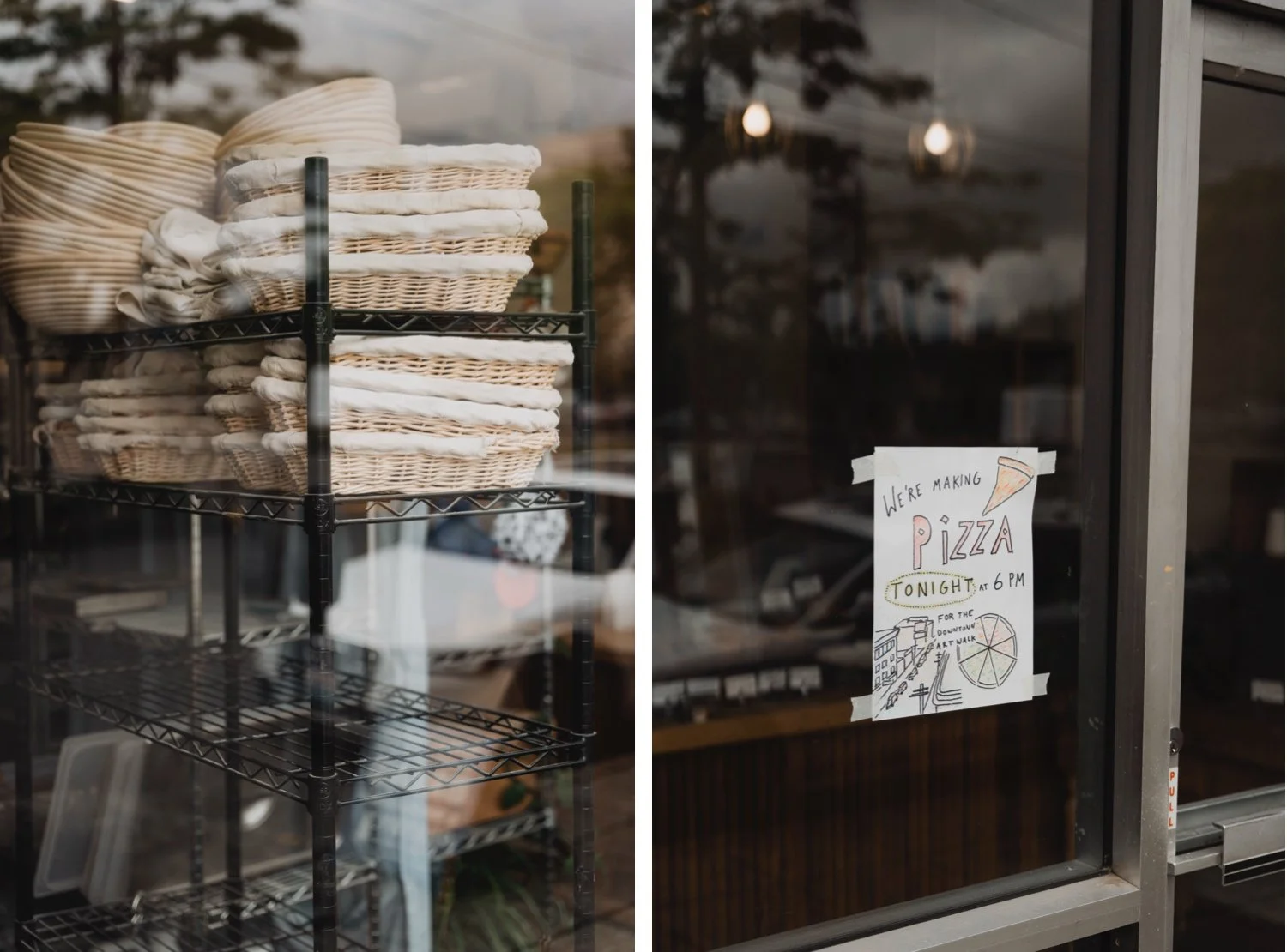
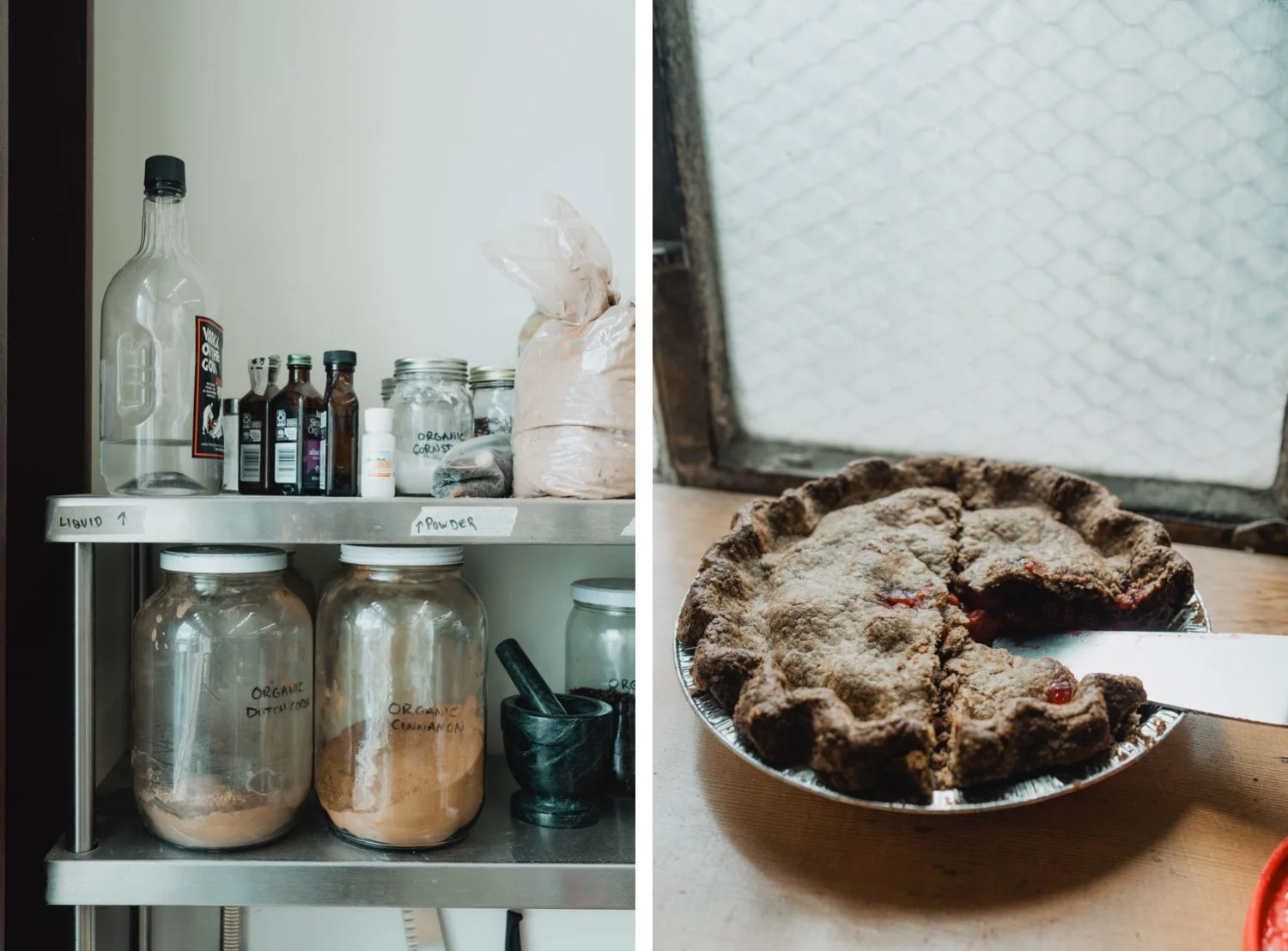
So, the usual bread and pastry production, and then on top of that, we're making cherry galettes and cherry pies for the Fourth of July. And then we also have our second pizza night tonight. So we're making a whole bunch of pizza, cheese pizza with Ferndale Farmstead cheese. They're just going to be red sauce and cheese, simple. But the first pizza night was a success, and hopefully this one will be even busier because it's not pouring rain like it was the first Friday of last month.
Zach: What's the best part of running a bakery?
Sophie: I think, ultimately, it's how many different hats I get to wear and the fact that I will never learn everything. This is not a job I will ever master, which is a little bit overwhelming sometimes, but also great.
Zach: What's the worst part of running a bakery?
Sophie: Having to do things that I'm really bad at or uncomfortable with because no one else is going to do them.
Zach: What's the soundtrack in here usually like?
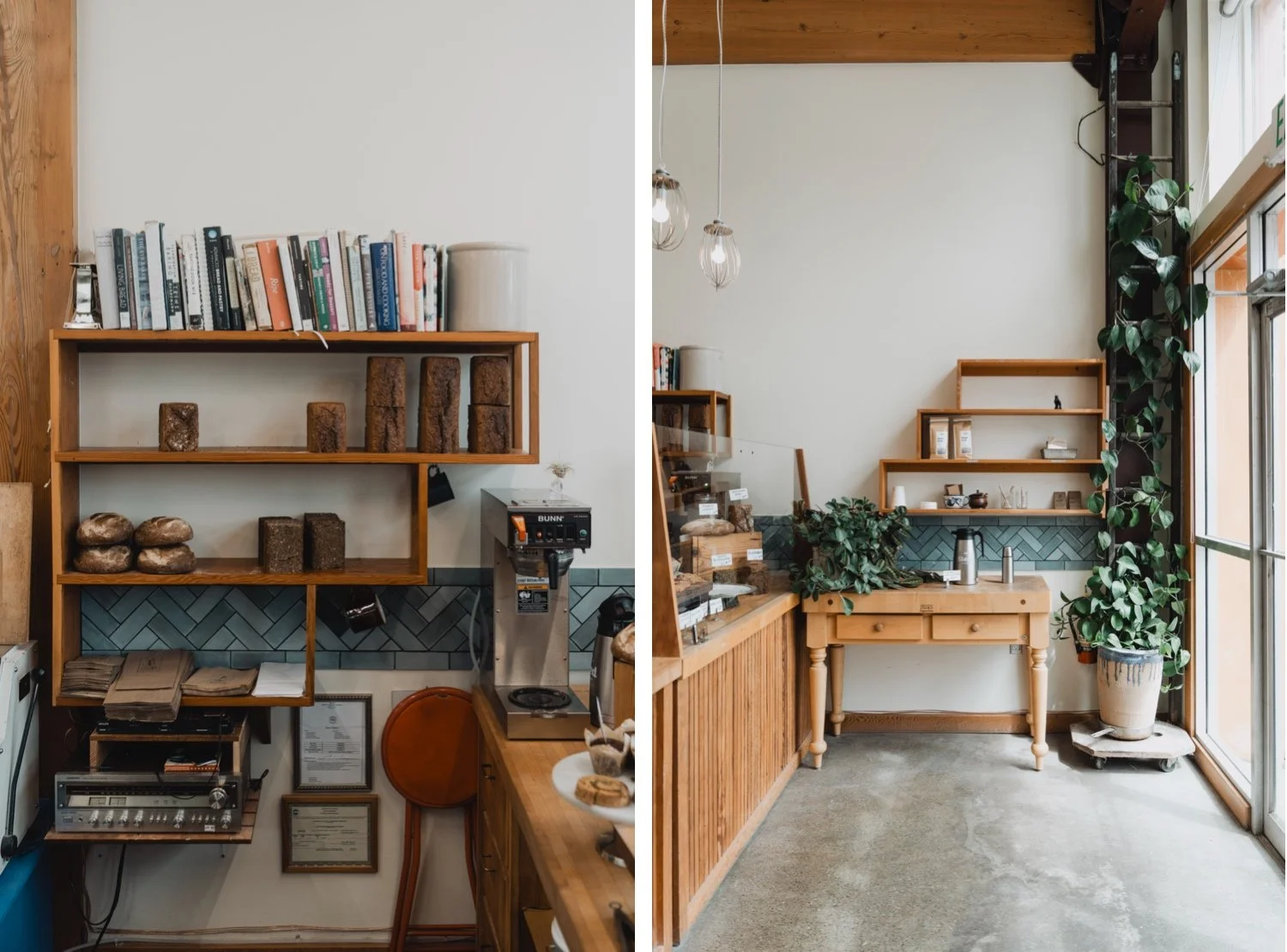
Sophie: We have this lovely 70-year-old stereo from Aladdin's Cave down the hill that has a receiver, so we listen to local radio sometimes, mostly KUGS from up on campus. We used to listen to KMRE when they were broadcasting out of a Makeshift Studio across the way, but now that they're over on King Mountain, they don't come in, which is such a bummer. And then a couple of staff members have brought in their ancient iPods, so we also listen to their music libraries. Then we pick up CDs at the library book sale or people's old CDs from their cars from two decades ago. So, some combination of those things. Whoever starts the music puts on what they want.
Zach: Do you feel like you grew up in a creative household?
Sophie: I feel like I grew up in a very take-responsibility-and-get-shit-done household, which is not quite the same thing. But I think maybe that is the backbone of this endeavor.
Zach: Do you consider yourself creative now?
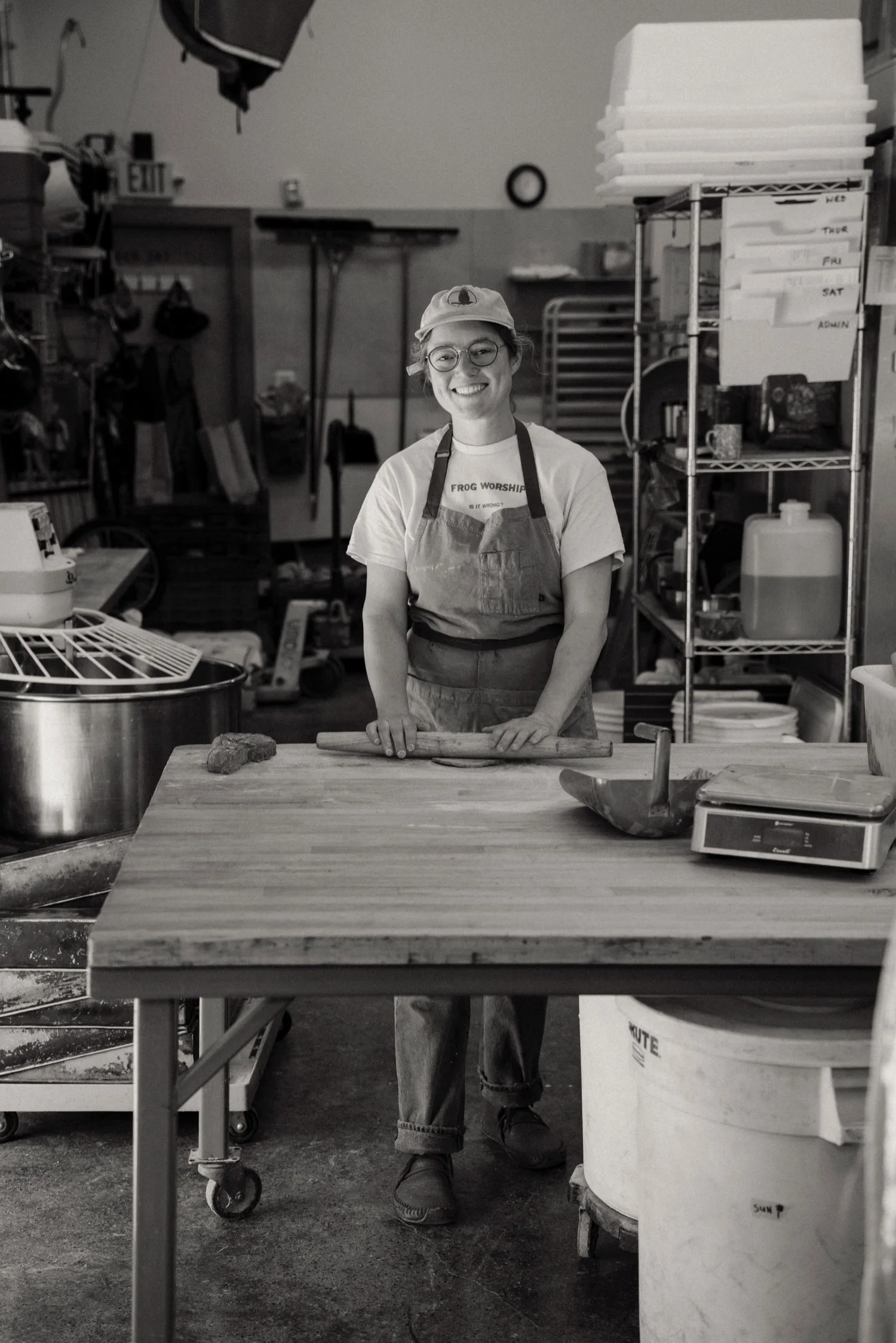
Sophie: Yes. I think that's one of my favorite things, coming up with ideas and coming up with solutions. I definitely wouldn't consider what we're doing art. It's craft all the way. We're not trying to ever make something perfect and singular. We're trying to come up with systems and make things that we can then make over and over and over again.
Zach: What, if anything, do you wish you knew years ago, that you know now?
Sophie: I think starting the business at the point that I did was totally absurd. Reinventing the wheel for baking. Baking has been around for so long. There was no need to resolve all these problems that other people had already solved. So I think asking for help sooner, just understanding that investing in classes or investing time in learning in a more formal way, could have paid off. But I also think that shoe stringing it for so long meant that we ended up in this place where we were doing something that is different from what everyone else is doing. So I don't know that I would actually change that.
Okay, here's a boring one. I wish that I had been less afraid of debt. I stayed in restaurant commissaries for so many years, too long, because I was scared of taking on that debt.
more fun!


“I'm hopeful for more peaceful worlds, starting with more peaceful neighborhoods and communities”