
Worth Knowing is simply that, a series of portraits and interviews highlighting people that are doing meaningful work, contributing to a better community in one way or another and are worth knowing.
Danae and I grew up in the same small North Dakota town so I’ve had the joy of knowing her for over twenty years.
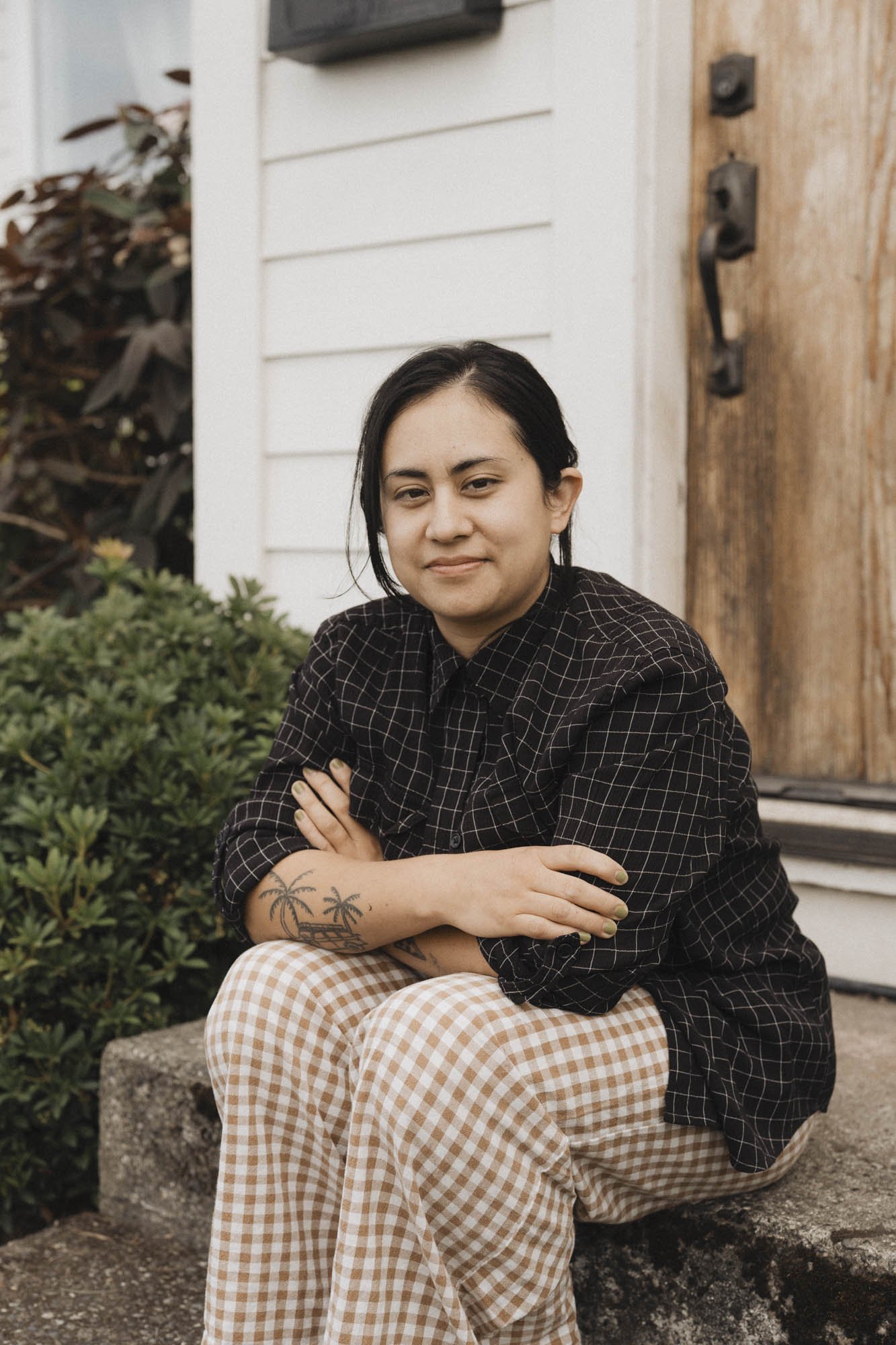
For her, working to heal the wounds of war is personal. Through her work with Legacies of War, she’s reconnecting with her Lao heritage, trying to be a better neighbor, and passing that history on to her own children.
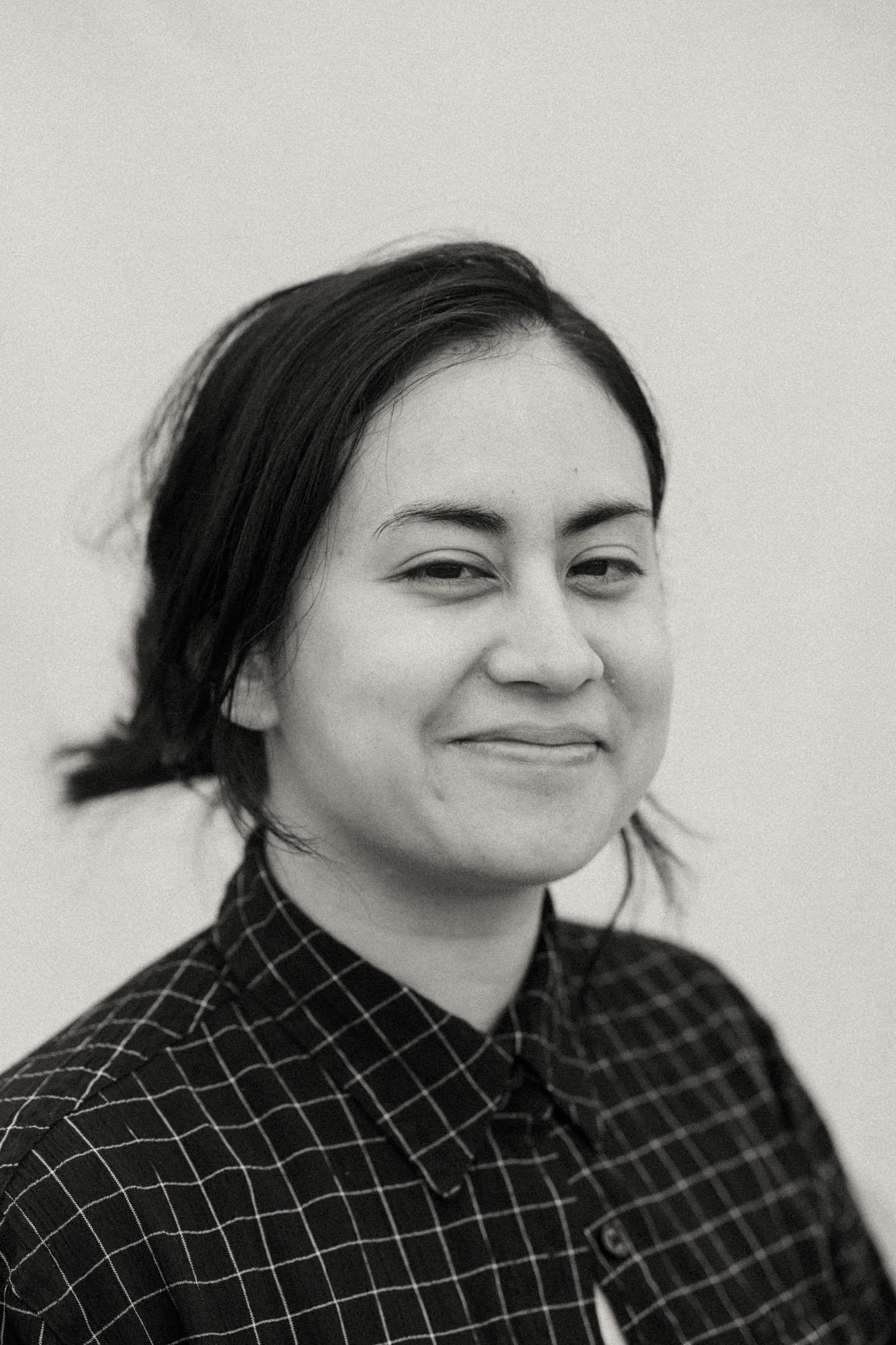
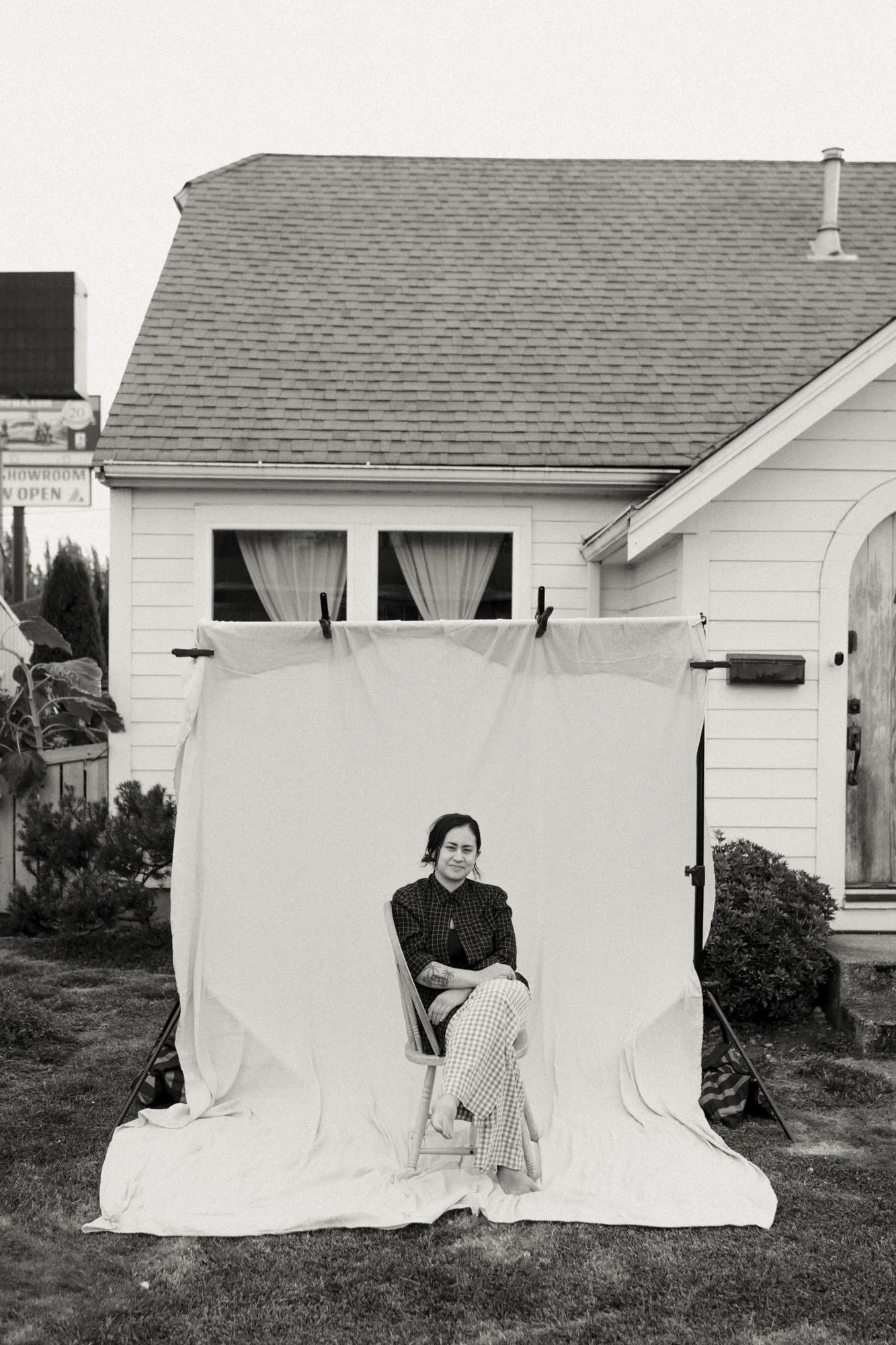
Zach: Tell me who you are, what you do, what your work looks like.
Danae: I’m Danae Hendrickson, I work for an organization called Legacies of War. I work from home with a small team of two. Legacies of War is an advocacy and education organization. And we advocate for U.S. funding for bomb removal in Laos, Cambodia, and Vietnam. And really, we advocate for families to live on bomb-free land.
I'm personally connected to this work because my mom was from Laos, and she came over as a refugee in the late '70s and ended up in North Dakota, where I'm from. And it wasn't until her death in 2013 that I was prompted to learn more about her journey from Laos to the U.S. And also, I think it coincided with me becoming an adult and realizing how disconnected I was from my own heritage, my own Lao heritage. I was looking for community to learn more about these questions that I had. And that's how I found Legacies of War. I found their website and read almost every page one afternoon because I had never heard of it before, of the U.S. bombings on Laos, and even more than that, it was the bombs that were left.
And I still have family in Laos. So they farm rice and they have little kids, and this is something that they deal with every day. And so I knew that, at any level, I wanted to be engaged in this work. And five years later, I work with the organization. I have made Lao friends for the first time. I have returned to Laos multiple times, and it's been a really healing journey over the last five years. And healing generational wounds of war. I've also become a mother within that time. And so all of that has just been really healing in that I can now have new words and practices and all these things to share with my family.
That's really been a lot of what I've been doing over the last five years. And prior to that, I worked in coffee my whole career. So, yeah, it's been a shift. COVID was basically when that shifted for me.
Zach: Talk to me more about your mom's story and the role that played in your childhood.
Danae: Yeah, I think there were moments that I remember being really interested in her story, and it was always just one sentence that I could get out of her, that she left her family. She has two siblings. Her mom and dad died when she was little. And I knew that she loved her family. She lived in a refugee camp in Thailand with her cousins. Now I know that that term is pretty general, and I don't think they were actually cousins. But she was in a refugee camp and then was sponsored to come to North Dakota by a church.
So what that meant for me growing up was I would tell people I was from Thailand. I remember doing that because I knew that people knew where that was. Or some people thought I was Chinese. There were no other Lao or Asian people, really. There were two Chinese buffet restaurants, and so I would see them there. And there was one Thai lady who had a Thai restaurant, and my mom would speak with her sometimes because she also spoke Thai.
The only time I would ever hear the Lao language was when my family would call in the middle of the night, and I would hear my mom speak Lao. Other than that, she really never talked about Laos or passed on any traditions. And, I mean, she was 16 when she left home, so thinking about who I was at 16, I don't know what cultural traditions I would have passed down either.
But, yeah, she went to Laos once after she left, when she was 40, with my dad. And he recorded the whole thing on a little camcorder. I remember just watching those videos over and over again. I actually took one to my fifth grade class and showed it to the class and had my mom come and make fried rice for my class. I was just so proud and so excited.
There were definitely points of pride, but I really didn't know what it meant to be Lao.
And then at her funeral, there was just one Lao family that came that I had never met before. And I was like, wow. We're so removed from that. And that's what war does. That's what displacement does, and that's a loss that comes with war.
So, learning all of that now, it's clear. I was mad at first, when I thought, she didn't teach me how to speak Lao, and “why didn't she teach me how to speak Lao?” But now I understand that there's just so much more to that.
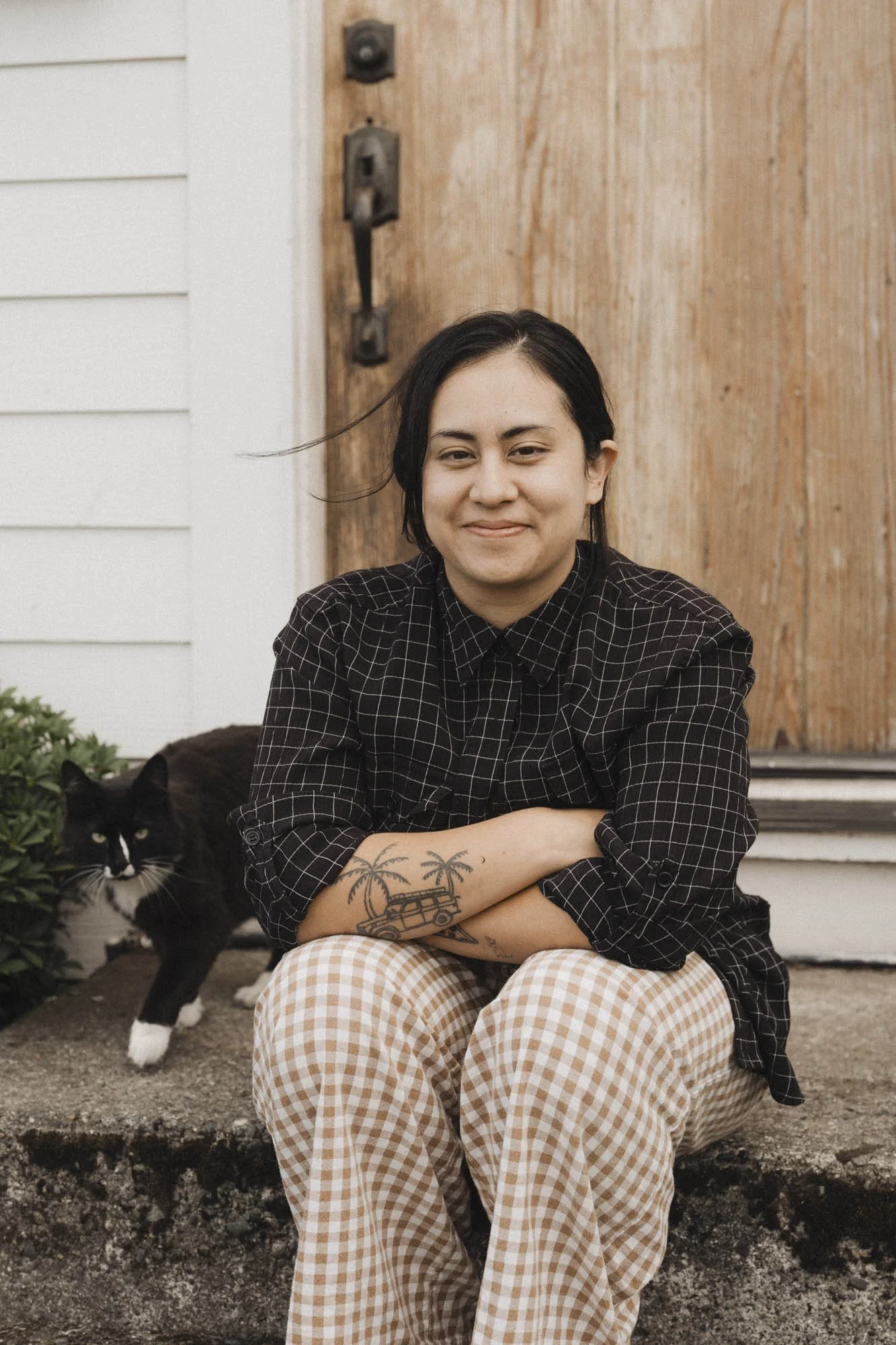
Zach: I went with you to Laos in 2012. You've been a handful of times since then. How has your relationship, view of the country, and experience changed since then?
Danae: Yeah, that was so special that we got to do that and you were there with me when I met my family for the first time, which is so cool.
And I think about the importance of returning to a place multiple times. I think it's so important to go back to the same country multiple times, because I've seen Laos so differently over the last decade. First, as a tourist. Even though I had family there, I was definitely a tourist, backpacking. And then learning the history, it wasn't even the first couple times that I even knew about the bombings, which is wild.
And now I definitely see it differently, now that I know the shared history between the U.S. and Laos. And I feel more and more like a local when I go, remembering places and remembering people and building relationships.
So it's become this place that I am excited to always go back to and see people.
Zach: What does the typical workday look like right now?
Danae: A typical workday, because I am one of two staff, right now we are sort of coming out of this emergency fundraising session. So it's been mostly fundraising for the last month.
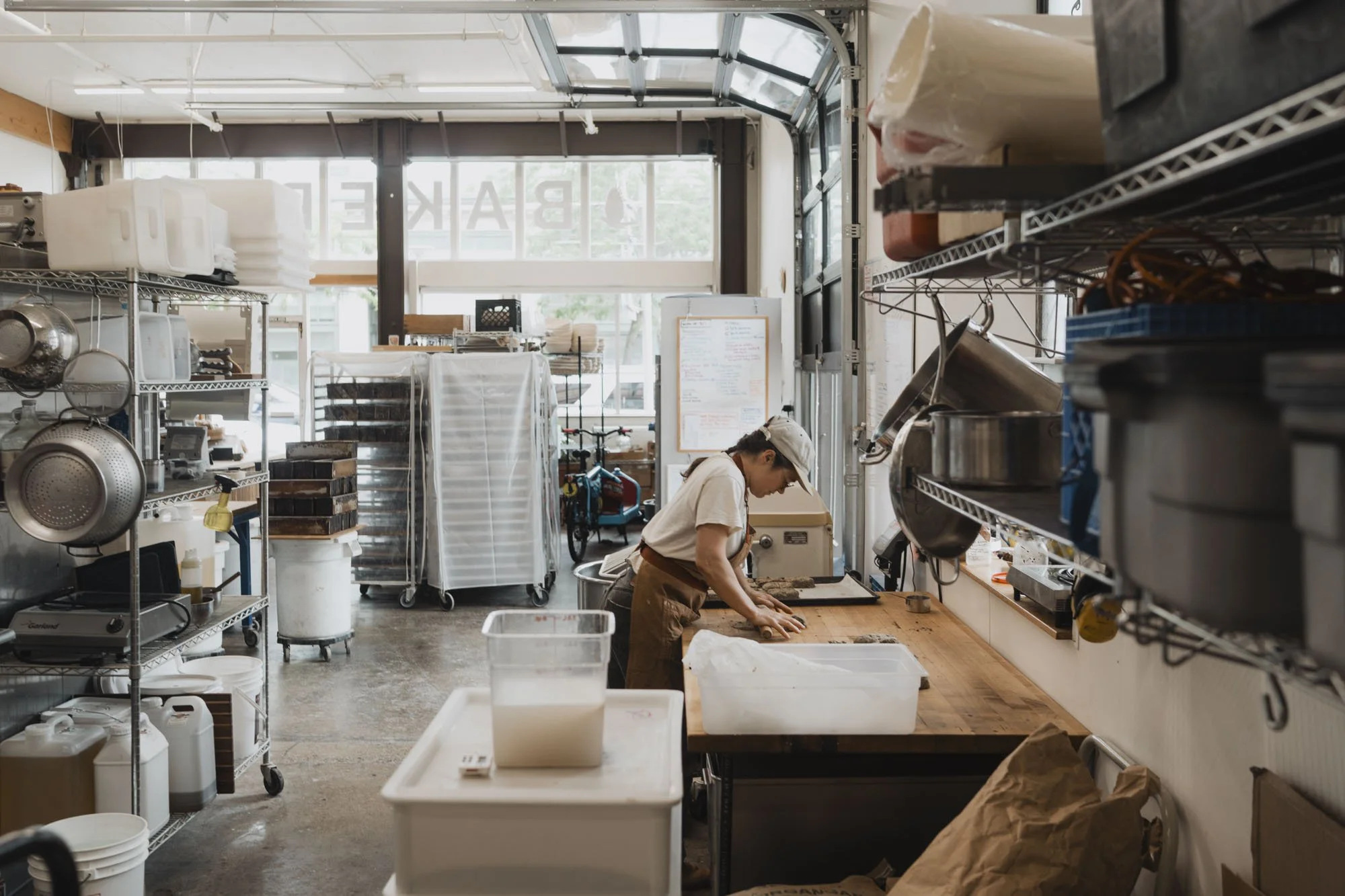
But normally, it's a lot of storytelling. It's all centered around stories. I really love writing and communications, and so all the way from meeting with a new donor and learning, how did you find Legacies? How are you connected to Laos? And getting to learn that story, and then helping them and really providing an opportunity for them to share that story with a broader audience and inspire other people to learn more about this. And then engaging them in advocacy and saying, you can share that story in a government space and help take action toward this issue, resolving this issue.
And so it's a really beautiful journey that I get to take every day with people, from inviting them to give all the way to advocacy. And it's all centered on sharing our stories with each other.
There are different programs that we have. We have a podcast, we have an online library, we have a classroom where we host curriculum. So I'll be editing a podcast episode at the beginning of the day. I'll be creating a piece of content for our social media centered around an event we're having or a piece of history or someone's story, meeting with donors, creating fundraising campaigns, working together with our volunteers and making sure that they feel like they're able to meaningfully engage by giving them projects.
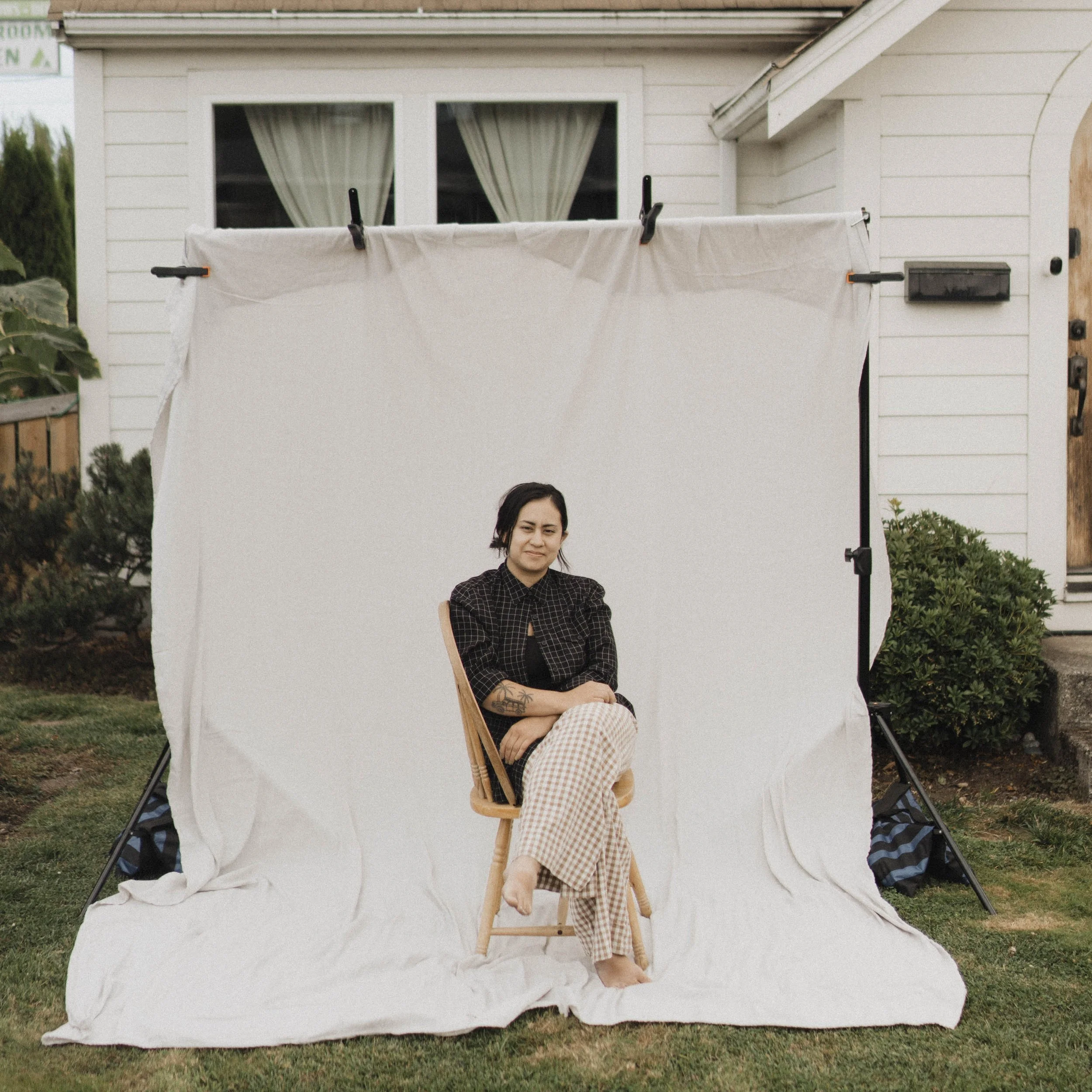
Zach: You have two little boys. What role does your work at Legacies play into your role as a mother?
Danae: Yeah, it's pretty cool. I think about the childhood that I had in North Dakota and the childhood that my kids will have in Bellingham, and that they will grow up doing things that I never did, like mountain biking or going to Seattle every week, things like that.
There are things that they do because we're here, and there's also things that they do now because of what I've learned about our Lao heritage and how I've begun to foster healing for my family. And that is eating Lao food, and it is knowing where Laos is on the map, and getting to see me engage every day with other people in this work.
And they know what I do for work, and they know that I go to Laos. And that's really important to me, that they understand that. And I know a little bit of Lao, so I pass that down.
Legacies has really given me the tools to heal and ensure that our Lao heritage continues to live on. It's all part of that reclaiming of what war took. And so it feels very tangible as a parent.
Zach: What makes doing the work you do in Bellingham, in this community, different than if it were somewhere else?
Danae: Yeah, I think I'm still learning that, because I work remote and I have two kids. I think in five years, it'll look different in the way that I'm able to engage in the community.
But I really underestimated local organizing and local community because my work has been so nationally focused. And so over the last few years, I've gotten more engaged locally. I am on the board of a local nonprofit, the Peace and Justice Center. I volunteer locally, and go to city council meetings, and meet Vietnam vets that are living in Bellingham, or people that protested during the war.
There's a lot of those people that live here. Bellingham is home to the longest-standing peace vigil in the U.S. And so there's a deep history here of the anti-war movement, but also veterans that live here. And so I meet them sort of randomly every once in a while, and it reminds me that there's people here in this community that have a connection to the work that I do that I maybe am not connecting with as much as I could be.
Zach: Are there things that you feel like Bellingham does well to support people doing work like yours?
Danae: Yeah, I think the only other context I have is living in North Dakota. So with that perspective, I think there is a broader understanding of U.S. militarism and history, maybe more than there would be in North Dakota, just because of the diversity here.
So that feels like a welcomed setting to share the work that I do. I feel very welcome.
Zach: Is there anything you think Bellingham could do better at?
Danae: Oh, so many things, always. I think local organizing, local issues, are always the root of and are really a mirror and a window into what we're experiencing across the nation.
So I think working together with Indigenous people, with the Black community, and having a better understanding of that history and the impact that they've had on anti-war movements and contributions that they've had, and even the work that I do, is kind of the start of the work. And it feels like we're always breezing past that in progressive movements. And I think that we can all do a better job at centering those voices and learning from the lifetimes of work that they've already been doing in Bellingham.
There's also really no Southeast Asian community here. And so I think exploring how we can welcome those communities more, maybe make things more affordable.
But I share the burden of all of this in that I am excited to build that and have a role in building that. Bellingham includes me, and we all take care of each other, and so I'm excited to work towards those things.
Zach: Do you have any valued possessions that are related to Laos or your work with Legacies?
Danae: Oh, that's a good question. Valued possessions…yeah, okay, so what comes to mind is there's a photo of my grandmother that sits on my desk upstairs. And so that is really important to me as I do this work.
There is a journal that my dad took and wrote in while he was in Laos with my mom, and that also sits on my desk.
There are pieces of jewelry that have been made from shrapnel that I have that remind me of hope.
Those are a few of the things when I think about possessions.
Zach: Is there something you think that people don't understand about Laos that you come across a lot?
Danae: Yeah. So much.
I think because we work in Laos, we always start any presentation that we do with an invitation to learn about Laos, to learn about the food and the culture and the landscape. We always start talking about sticky rice before we talk about bombs, and we talk about Vat Phou before we start talking about UXO.
I think a lot of times as Americans, we blur the lines of Asian cultures, right? So I think that's happened with Laos. A lot of things are maybe known as Thai or Vietnamese or Chinese, but not Lao. And there's some beautiful things that get lost in doing so. So I think it's important to continue to elevate the textile and the language and contributions of Laos. And a lot of people that have visited the region go to Thailand, Vietnam, to Cambodia, and they don't go to Laos. So I think that's something I wish people did more, was visit Laos.
But, yeah, I think the big one is our shared history. I think a lot of us don't know that.
Zach: What’s a book you recommend and why?
Danae: What We Inherit: A Secret War and a Family’s Search for Answers by Jessica Pearce Rotondi!!
I love memoirs and this is an incredibly powerful one. Jessica begins the book on the floor of her mother’s closet, looking for something for her mother to be buried in and discovers copies of declassified CIA documents. What follows is her journey learning more about her family’s history, bravery, and grief. To me, this is such an important read because it shows how it’s not only our shared wounds of war that brings us together but also our shared healing.
Zach: What are you hopeful for?
Danae: What am I hopeful for? I am hopeful for each of us to realize our responsibility of being a human in this world, being a neighbor, being a person in a community, and know that, again, we take care of each other.
And I think that that's the root of how we can build a more peaceful future, is not relying and waiting on governments to do the work, but learning our own power in peace building and taking care of each other.
So I'm hopeful for more peaceful worlds, starting with more peaceful neighborhoods and communities.
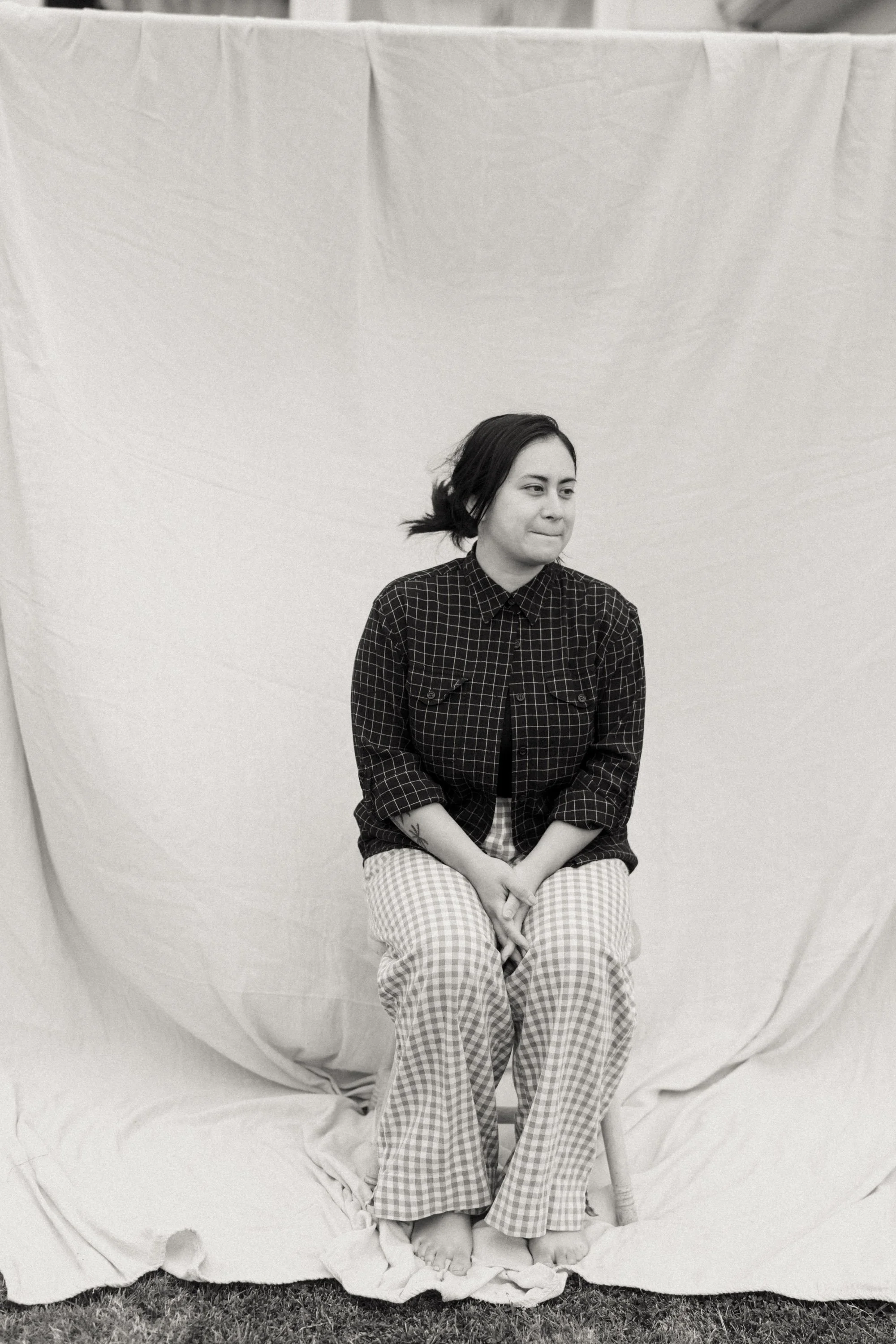
“I’m hopeful for more peaceful worlds, starting with more peaceful neighborhoods and communities.”
more fun!

“I'm hopeful for more peaceful worlds, starting with more peaceful neighborhoods and communities”